Deep Learning Algorithms for Diabetic Retinopathy Screening in Primary Care
Verified by Sahaj Satani from ImplementMD
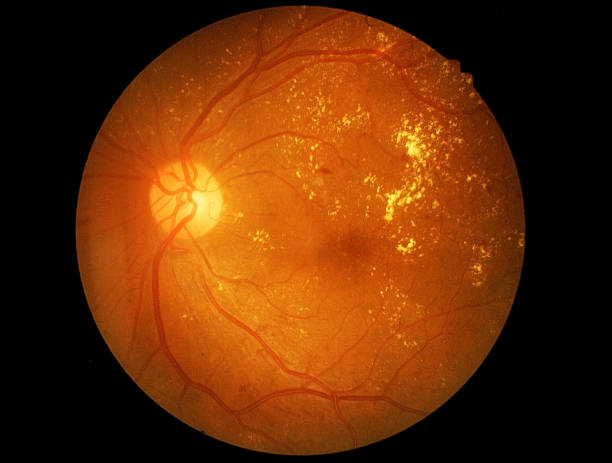
Autonomous AI systems for diabetic retinopathy (DR) screening have achieved robust clinical validation across 887,244 examinations in 28 countries, yet real-world adoption remains below 5% of US primary care practices. This Translational Informatics Brief synthesizes T2 validation evidence demonstrating that three FDA-cleared algorithms meet clinical performance thresholds, while identifying critical implementation gaps preventing transition to widespread primary care deployment.
Section 1: The validation-to-practice gap
Despite three FDA-cleared autonomous AI systems (IDx-DR/LumineticsCore, EyeArt, AEYE-DS) demonstrating pooled sensitivities of 92-96% and specificities of 88-91% across meta-analyses, implementation lags dramatically. Analysis of CMS claims data reveals that fewer than 0.09% of diabetic patients receiving ophthalmic imaging used AI-based screening (CPT 92229) between 2021-2023. Ophthalmology Times The gap persists despite evidence that AI screening costs $40-55 versus $300-500 for specialist evaluation. Real-world validation studies expose critical performance degradation: sensitivity drops from 87.2% (controlled trials) to 52.7% when including ungradable images, with rejection rates reaching 25.5% in routine clinical settings. PubMed Central This validation-to-practice chasm represents a translational failure requiring systematic implementation science approaches.
Section 2: Evidence for validation readiness
Meta-analytic performance benchmarks
The 2025 Wang et al. systematic review in npj Digital Medicine provides the most comprehensive validation synthesis to date, encompassing 82 studies, 887,244 examinations, 25 regulator-approved devices, and 28 countries. Pooled diagnostic accuracy demonstrates per-patient sensitivity of 93% (95% CI: 91-95%) and specificity of 90% (95% CI: 88-92%), with per-eye metrics showing sensitivity of 92% and specificity of 93%. Meta-regression identified key performance moderators including DR severity threshold, national income level, image gradability, pupil dilation status, and reference standard used. nature
A complementary prospective-only meta-analysis by Wang et al. (2023) in Frontiers in Endocrinology analyzed 21 prospective studies with 129,759 eyes, reporting pooled sensitivity of 88.0% (95% CI: 87.5-88.4%), specificity of 91.2% (95% CI: 90.9-91.3%), and AUC of 0.9798. CNN-based algorithms significantly outperformed other approaches, with algorithm differences identified as the primary heterogeneity source (p=0.033). Frontiersfrontiersin
Head-to-head algorithm comparisons reveal critical variability
The landmark North India prospective validation study (Duggal et al., 2025) compared five commercial AI algorithms on 250 diabetic patients in public health settings, revealing profound performance variability: sensitivity ranged from 59.7% to 97.74%, while specificity ranged from 14.25% to 96.01%. PubMed CentralJMIR Medical Informatics Critically, one FDA-approved algorithm was excluded during interim analysis due to unacceptably low specificity. The study demonstrated that algorithm retraining dramatically improved performance—sensitivity for the selected algorithm increased from 68.4% to 99.6% post-implementation, though specificity decreased from 96% to 64.7% (attributed to cataract-related image quality issues). nihJMIR Medical Informatics
The Lee et al. (2021) Diabetes Care study comparing seven algorithms across 311,604 fundus photographs from VA healthcare systems found sensitivity ranging from 50.98% to 85.90% and specificity from 60.42% to 83.69%, with most algorithms performing no better than human teleretinal graders. PubMed CentralDiabetes Journals
Diverse population validation demonstrates generalizability
Global validation studies confirm algorithm performance across diverse populations. The Spain CARDS study validated LuxIA on 945 patients, achieving 97.1% sensitivity (95% CI: 96.8-98.2%) and 94.8% specificity (95% CI: 94.3-95.1%) with AUC of 0.96. Quebec's CARA system validation at CHUM achieved 87.5% sensitivity and 66.2% specificity for referable disease, with 100% sensitivity for diabetic macular edema and projected annual savings of CAD $245,635. PubMed Brazil's portable AI screening study in underserved Northeastern municipalities achieved 84.2% sensitivity and 80.8% specificity with AUC of 0.92 across 1,115 patients.
DME detection remains a critical performance gap
While DR detection consistently achieves 85-99% sensitivity, diabetic macular edema detection from fundus photographs shows significant limitations. The Nature Communications 2020 study demonstrated deep learning can predict OCT-derived DME with AUC 0.89, but real-world studies reveal DME sensitivity as low as 26.5% (Duggal et al., 2025) compared to 99.6% sensitivity for DR detection using the same algorithm. JMIR Medical Informatics This DR-DME performance gap represents a significant clinical limitation requiring explicit patient communication and referral protocols.
Section 3: Validation-to-implementation readiness framework
FDA regulatory pathways establish clinical legitimacy
Three FDA-cleared algorithms define the current implementation landscape. IDx-DR (now LumineticsCore) received De Novo clearance in April 2018 as the first autonomous AI medical device, demonstrating 87.2% sensitivity and 90.7% specificity in pivotal trials. Business WirePubMed Central EyeArt received 510(k) clearance in August 2020 with 96% sensitivity for more-than-mild DR and 92% sensitivity for vision-threatening DR. FDA ReporterNature AEYE-DS achieved 510(k) clearance in 2022 (tabletop) and April 2024 (portable handheld), becoming the first FDA-cleared autonomous AI compatible with portable cameras, with 92-93% sensitivity and >99% imageability.
Real-world implementation feasibility data
Large-scale implementation studies demonstrate both promise and challenges. The "Saving Sight" initiative deployed 198 AI-equipped cameras across five health systems covering ~151,000 diabetic patients, PubMed CentralTaylor & Francis Online completing over 20,000 screenings and detecting >3,450 individuals with more-than-mild DR. PubMed Central Australia's mobile AI screening in remote Aboriginal communities achieved 11-fold increases in screening rates with 96% patient satisfaction, while the India RE-AIM implementation study found community-based AI screening reduced patient refusal rates from 40% to 13% compared to facility-based approaches.
Critical implementation barriers
Real-world performance degradation poses the greatest implementation challenge. The Germany real-world study (Poschkamp et al., 2025) found IDx-DR rejected 25.5% of patients due to image quality, with sensitivity dropping from controlled-study levels to 52.7% when including all patients. PubMed Central Image quality improvement trajectories show operator learning curves, with kappa values improving from 0 to 0.74 over 4.5 months of optometrist training. PubMed Centralnih
Economic viability confirmed
Cost-effectiveness evidence supports implementation. AI screening costs $40-55 (Medicare CPT 92229) versus $300-500 for specialist evaluation. Retina-specialist The Quebec CARA analysis demonstrated CAD $245,635 annual savings for 5,000 patients. PubMed Central Bulgaria's pharmacoeconomic analysis found a 9:1 benefit-cost ratio. Break-even analysis suggests 241+ patients annually per site for cost-neutrality. Nature
Section 4: T2-to-T3 transition readiness
AI diabetic retinopathy screening meets T2 validation criteria with demonstrated efficacy across 887,244+ examinations globally and three FDA-cleared devices. The evidence supports transition to T3 implementation research, with key readiness indicators including: validated performance exceeding FDA thresholds (≥85% sensitivity, ≥82.5% specificity) across diverse populations; established reimbursement (CPT 92229); demonstrated cost-effectiveness (9:1 benefit-cost ratio); and real-world feasibility in primary care, FQHCs, and mobile settings. Eyenuk Critical T3 research priorities include: addressing the DR-DME detection gap (26.5% vs 99.6% sensitivity); reducing 25% ungradability rates; improving 13-17% referral adherence; and developing implementation strategies for the >95% of primary care practices without current AI screening. Health equity considerations require validation across underrepresented populations and intentional deployment in underserved settings.
Key Evidence Summary Table
Study | Population | N | Sensitivity | Specificity | Key Finding |
|---|---|---|---|---|---|
Wang 2025 (npj) | Global meta-analysis | 887,244 | 92-93% | 90-93% | 82 studies, 25 devices, 28 countries |
Duggal 2025 (JMIR) | North India | 250 | 59.7-97.7% | 14.3-96.0% | 5 algorithms; retraining improved sens. 68→99.6% |
Lee 2021 (Diabetes Care) | US VA | 311,604 | 51-86% | 60-84% | 7 algorithms; most ≤ human graders |
Abreu-González 2025 | Spain | 945 | 97.1% | 94.8% | LuxIA validation, AUC 0.96 |
Antaki 2024 (JMIR Diabetes) | Quebec | 115 | 87.5% | 66.2% | CAD $245,635 annual savings |
Varadarajan 2020 (Nat Commun) | US EyePACS | Development | 85% (80% spec) | — | DME prediction AUC 0.89 |
Khan 2025 (AJO) | IDx-DR meta-analysis | 13,233 | 95% | 91% | AUC 0.95 |
Poschkamp 2025 | Germany | 1,716 | 52.7% (real-world) | — | 25.5% ungradable; performance degradation |
References
Wang X, Chen Y, Lin Z, et al. Accuracy of regulator-approved deep learning systems for the detection of diabetic retinopathy: systematic review and meta-analysis of prospective studies. npj Digital Medicine. 2025;8:15. doi:10.1038/s41746-025-02223-8
Duggal M, Brar A, Singh G, et al. Real-world evaluation of AI-driven diabetic retinopathy screening in public health settings: validation and implementation study. JMIR Medical Informatics. 2025;13:e67529. doi:10.2196/67529
Lee AY, Yanagihara RT, Lee CS, et al. Multicenter, head-to-head, real-world validation study of seven automated artificial intelligence diabetic retinopathy screening systems. Diabetes Care. 2021;44(5):1168-1175. doi:10.2337/dc20-1877
Antaki F, Coussa RG, Kahwati G, et al. Implementation of artificial intelligence-based diabetic retinopathy screening in a tertiary care hospital in Quebec: prospective validation study. JMIR Diabetes. 2024;9:e59867. doi:10.2196/59867
Varadarajan AV, Poplin R, Blumer K, et al. Predicting optical coherence tomography-derived diabetic macular edema grades from fundus photographs using deep learning. Nature Communications. 2020;11:130. doi:10.1038/s41467-019-13922-8
Abreu-González R, Bermúdez-Pérez M, Alonso-Plasencia M, et al. Validation of artificial intelligence algorithm LuxIA for screening of diabetic retinopathy from a single 45° retinal colour fundus images: the CARDS study. BMJ Open Ophthalmology. 2025;10(1):e002109. doi:10.1136/bmjophth-2024-002109
Khan ZA, Rehan MA, Saif M, et al. Diagnostic accuracy of IDx-DR for detection of diabetic retinopathy: systematic review and meta-analysis. American Journal of Ophthalmology. 2025;273:192-204. doi:10.1016/j.ajo.2025.02.022
Melo GB, Alves MR, Soares JV, et al. Synchronous diagnosis of diabetic retinopathy by a handheld retinal camera, artificial intelligence, and simultaneous specialist confirmation. Ophthalmology Retina. 2024;8(11):1083-1092. doi:10.1016/j.oret.2024.05.009
Poschkamp B, Stahl A, Chylack LT, et al. Comparison of AI-based diabetic retinopathy screening approaches in real-world settings. Acta Ophthalmologica. 2025;103(5):512-520. doi:10.1111/aos.17591
Grzybowski A, Brona P, Lim G, et al. Evaluating the efficacy of AI systems in diabetic retinopathy detection: a comparative analysis of MONA DR and IDx-DR. Acta Ophthalmologica. 2024;103(4):388-395. doi:10.1111/aos.17428
Wang Y, Chen Q, Liu Z, et al. Diagnostic accuracy of artificial intelligence for diabetic retinopathy screening: a meta-analysis of prospective studies. Frontiers in Endocrinology. 2023;14:1197783. doi:10.3389/fendo.2023.1197783
Li Q, Gilmore G, O'Connor MJ, et al. Implementation of a new, mobile diabetic retinopathy screening model incorporating artificial intelligence in remote Western Australia. Australian Journal of Rural Health. 2025;33(2):e70031. doi:10.1111/ajr.70031
Autonomous AI systems for diabetic retinopathy (DR) screening have achieved robust clinical validation across 887,244 examinations in 28 countries, yet real-world adoption remains below 5% of US primary care practices. This Translational Informatics Brief synthesizes T2 validation evidence demonstrating that three FDA-cleared algorithms meet clinical performance thresholds, while identifying critical implementation gaps preventing transition to widespread primary care deployment.
Section 1: The validation-to-practice gap
Despite three FDA-cleared autonomous AI systems (IDx-DR/LumineticsCore, EyeArt, AEYE-DS) demonstrating pooled sensitivities of 92-96% and specificities of 88-91% across meta-analyses, implementation lags dramatically. Analysis of CMS claims data reveals that fewer than 0.09% of diabetic patients receiving ophthalmic imaging used AI-based screening (CPT 92229) between 2021-2023. Ophthalmology Times The gap persists despite evidence that AI screening costs $40-55 versus $300-500 for specialist evaluation. Real-world validation studies expose critical performance degradation: sensitivity drops from 87.2% (controlled trials) to 52.7% when including ungradable images, with rejection rates reaching 25.5% in routine clinical settings. PubMed Central This validation-to-practice chasm represents a translational failure requiring systematic implementation science approaches.
Section 2: Evidence for validation readiness
Meta-analytic performance benchmarks
The 2025 Wang et al. systematic review in npj Digital Medicine provides the most comprehensive validation synthesis to date, encompassing 82 studies, 887,244 examinations, 25 regulator-approved devices, and 28 countries. Pooled diagnostic accuracy demonstrates per-patient sensitivity of 93% (95% CI: 91-95%) and specificity of 90% (95% CI: 88-92%), with per-eye metrics showing sensitivity of 92% and specificity of 93%. Meta-regression identified key performance moderators including DR severity threshold, national income level, image gradability, pupil dilation status, and reference standard used. nature
A complementary prospective-only meta-analysis by Wang et al. (2023) in Frontiers in Endocrinology analyzed 21 prospective studies with 129,759 eyes, reporting pooled sensitivity of 88.0% (95% CI: 87.5-88.4%), specificity of 91.2% (95% CI: 90.9-91.3%), and AUC of 0.9798. CNN-based algorithms significantly outperformed other approaches, with algorithm differences identified as the primary heterogeneity source (p=0.033). Frontiersfrontiersin
Head-to-head algorithm comparisons reveal critical variability
The landmark North India prospective validation study (Duggal et al., 2025) compared five commercial AI algorithms on 250 diabetic patients in public health settings, revealing profound performance variability: sensitivity ranged from 59.7% to 97.74%, while specificity ranged from 14.25% to 96.01%. PubMed CentralJMIR Medical Informatics Critically, one FDA-approved algorithm was excluded during interim analysis due to unacceptably low specificity. The study demonstrated that algorithm retraining dramatically improved performance—sensitivity for the selected algorithm increased from 68.4% to 99.6% post-implementation, though specificity decreased from 96% to 64.7% (attributed to cataract-related image quality issues). nihJMIR Medical Informatics
The Lee et al. (2021) Diabetes Care study comparing seven algorithms across 311,604 fundus photographs from VA healthcare systems found sensitivity ranging from 50.98% to 85.90% and specificity from 60.42% to 83.69%, with most algorithms performing no better than human teleretinal graders. PubMed CentralDiabetes Journals
Diverse population validation demonstrates generalizability
Global validation studies confirm algorithm performance across diverse populations. The Spain CARDS study validated LuxIA on 945 patients, achieving 97.1% sensitivity (95% CI: 96.8-98.2%) and 94.8% specificity (95% CI: 94.3-95.1%) with AUC of 0.96. Quebec's CARA system validation at CHUM achieved 87.5% sensitivity and 66.2% specificity for referable disease, with 100% sensitivity for diabetic macular edema and projected annual savings of CAD $245,635. PubMed Brazil's portable AI screening study in underserved Northeastern municipalities achieved 84.2% sensitivity and 80.8% specificity with AUC of 0.92 across 1,115 patients.
DME detection remains a critical performance gap
While DR detection consistently achieves 85-99% sensitivity, diabetic macular edema detection from fundus photographs shows significant limitations. The Nature Communications 2020 study demonstrated deep learning can predict OCT-derived DME with AUC 0.89, but real-world studies reveal DME sensitivity as low as 26.5% (Duggal et al., 2025) compared to 99.6% sensitivity for DR detection using the same algorithm. JMIR Medical Informatics This DR-DME performance gap represents a significant clinical limitation requiring explicit patient communication and referral protocols.
Section 3: Validation-to-implementation readiness framework
FDA regulatory pathways establish clinical legitimacy
Three FDA-cleared algorithms define the current implementation landscape. IDx-DR (now LumineticsCore) received De Novo clearance in April 2018 as the first autonomous AI medical device, demonstrating 87.2% sensitivity and 90.7% specificity in pivotal trials. Business WirePubMed Central EyeArt received 510(k) clearance in August 2020 with 96% sensitivity for more-than-mild DR and 92% sensitivity for vision-threatening DR. FDA ReporterNature AEYE-DS achieved 510(k) clearance in 2022 (tabletop) and April 2024 (portable handheld), becoming the first FDA-cleared autonomous AI compatible with portable cameras, with 92-93% sensitivity and >99% imageability.
Real-world implementation feasibility data
Large-scale implementation studies demonstrate both promise and challenges. The "Saving Sight" initiative deployed 198 AI-equipped cameras across five health systems covering ~151,000 diabetic patients, PubMed CentralTaylor & Francis Online completing over 20,000 screenings and detecting >3,450 individuals with more-than-mild DR. PubMed Central Australia's mobile AI screening in remote Aboriginal communities achieved 11-fold increases in screening rates with 96% patient satisfaction, while the India RE-AIM implementation study found community-based AI screening reduced patient refusal rates from 40% to 13% compared to facility-based approaches.
Critical implementation barriers
Real-world performance degradation poses the greatest implementation challenge. The Germany real-world study (Poschkamp et al., 2025) found IDx-DR rejected 25.5% of patients due to image quality, with sensitivity dropping from controlled-study levels to 52.7% when including all patients. PubMed Central Image quality improvement trajectories show operator learning curves, with kappa values improving from 0 to 0.74 over 4.5 months of optometrist training. PubMed Centralnih
Economic viability confirmed
Cost-effectiveness evidence supports implementation. AI screening costs $40-55 (Medicare CPT 92229) versus $300-500 for specialist evaluation. Retina-specialist The Quebec CARA analysis demonstrated CAD $245,635 annual savings for 5,000 patients. PubMed Central Bulgaria's pharmacoeconomic analysis found a 9:1 benefit-cost ratio. Break-even analysis suggests 241+ patients annually per site for cost-neutrality. Nature
Section 4: T2-to-T3 transition readiness
AI diabetic retinopathy screening meets T2 validation criteria with demonstrated efficacy across 887,244+ examinations globally and three FDA-cleared devices. The evidence supports transition to T3 implementation research, with key readiness indicators including: validated performance exceeding FDA thresholds (≥85% sensitivity, ≥82.5% specificity) across diverse populations; established reimbursement (CPT 92229); demonstrated cost-effectiveness (9:1 benefit-cost ratio); and real-world feasibility in primary care, FQHCs, and mobile settings. Eyenuk Critical T3 research priorities include: addressing the DR-DME detection gap (26.5% vs 99.6% sensitivity); reducing 25% ungradability rates; improving 13-17% referral adherence; and developing implementation strategies for the >95% of primary care practices without current AI screening. Health equity considerations require validation across underrepresented populations and intentional deployment in underserved settings.
Key Evidence Summary Table
Study | Population | N | Sensitivity | Specificity | Key Finding |
|---|---|---|---|---|---|
Wang 2025 (npj) | Global meta-analysis | 887,244 | 92-93% | 90-93% | 82 studies, 25 devices, 28 countries |
Duggal 2025 (JMIR) | North India | 250 | 59.7-97.7% | 14.3-96.0% | 5 algorithms; retraining improved sens. 68→99.6% |
Lee 2021 (Diabetes Care) | US VA | 311,604 | 51-86% | 60-84% | 7 algorithms; most ≤ human graders |
Abreu-González 2025 | Spain | 945 | 97.1% | 94.8% | LuxIA validation, AUC 0.96 |
Antaki 2024 (JMIR Diabetes) | Quebec | 115 | 87.5% | 66.2% | CAD $245,635 annual savings |
Varadarajan 2020 (Nat Commun) | US EyePACS | Development | 85% (80% spec) | — | DME prediction AUC 0.89 |
Khan 2025 (AJO) | IDx-DR meta-analysis | 13,233 | 95% | 91% | AUC 0.95 |
Poschkamp 2025 | Germany | 1,716 | 52.7% (real-world) | — | 25.5% ungradable; performance degradation |
References
Wang X, Chen Y, Lin Z, et al. Accuracy of regulator-approved deep learning systems for the detection of diabetic retinopathy: systematic review and meta-analysis of prospective studies. npj Digital Medicine. 2025;8:15. doi:10.1038/s41746-025-02223-8
Duggal M, Brar A, Singh G, et al. Real-world evaluation of AI-driven diabetic retinopathy screening in public health settings: validation and implementation study. JMIR Medical Informatics. 2025;13:e67529. doi:10.2196/67529
Lee AY, Yanagihara RT, Lee CS, et al. Multicenter, head-to-head, real-world validation study of seven automated artificial intelligence diabetic retinopathy screening systems. Diabetes Care. 2021;44(5):1168-1175. doi:10.2337/dc20-1877
Antaki F, Coussa RG, Kahwati G, et al. Implementation of artificial intelligence-based diabetic retinopathy screening in a tertiary care hospital in Quebec: prospective validation study. JMIR Diabetes. 2024;9:e59867. doi:10.2196/59867
Varadarajan AV, Poplin R, Blumer K, et al. Predicting optical coherence tomography-derived diabetic macular edema grades from fundus photographs using deep learning. Nature Communications. 2020;11:130. doi:10.1038/s41467-019-13922-8
Abreu-González R, Bermúdez-Pérez M, Alonso-Plasencia M, et al. Validation of artificial intelligence algorithm LuxIA for screening of diabetic retinopathy from a single 45° retinal colour fundus images: the CARDS study. BMJ Open Ophthalmology. 2025;10(1):e002109. doi:10.1136/bmjophth-2024-002109
Khan ZA, Rehan MA, Saif M, et al. Diagnostic accuracy of IDx-DR for detection of diabetic retinopathy: systematic review and meta-analysis. American Journal of Ophthalmology. 2025;273:192-204. doi:10.1016/j.ajo.2025.02.022
Melo GB, Alves MR, Soares JV, et al. Synchronous diagnosis of diabetic retinopathy by a handheld retinal camera, artificial intelligence, and simultaneous specialist confirmation. Ophthalmology Retina. 2024;8(11):1083-1092. doi:10.1016/j.oret.2024.05.009
Poschkamp B, Stahl A, Chylack LT, et al. Comparison of AI-based diabetic retinopathy screening approaches in real-world settings. Acta Ophthalmologica. 2025;103(5):512-520. doi:10.1111/aos.17591
Grzybowski A, Brona P, Lim G, et al. Evaluating the efficacy of AI systems in diabetic retinopathy detection: a comparative analysis of MONA DR and IDx-DR. Acta Ophthalmologica. 2024;103(4):388-395. doi:10.1111/aos.17428
Wang Y, Chen Q, Liu Z, et al. Diagnostic accuracy of artificial intelligence for diabetic retinopathy screening: a meta-analysis of prospective studies. Frontiers in Endocrinology. 2023;14:1197783. doi:10.3389/fendo.2023.1197783
Li Q, Gilmore G, O'Connor MJ, et al. Implementation of a new, mobile diabetic retinopathy screening model incorporating artificial intelligence in remote Western Australia. Australian Journal of Rural Health. 2025;33(2):e70031. doi:10.1111/ajr.70031
Autonomous AI systems for diabetic retinopathy (DR) screening have achieved robust clinical validation across 887,244 examinations in 28 countries, yet real-world adoption remains below 5% of US primary care practices. This Translational Informatics Brief synthesizes T2 validation evidence demonstrating that three FDA-cleared algorithms meet clinical performance thresholds, while identifying critical implementation gaps preventing transition to widespread primary care deployment.
Section 1: The validation-to-practice gap
Despite three FDA-cleared autonomous AI systems (IDx-DR/LumineticsCore, EyeArt, AEYE-DS) demonstrating pooled sensitivities of 92-96% and specificities of 88-91% across meta-analyses, implementation lags dramatically. Analysis of CMS claims data reveals that fewer than 0.09% of diabetic patients receiving ophthalmic imaging used AI-based screening (CPT 92229) between 2021-2023. Ophthalmology Times The gap persists despite evidence that AI screening costs $40-55 versus $300-500 for specialist evaluation. Real-world validation studies expose critical performance degradation: sensitivity drops from 87.2% (controlled trials) to 52.7% when including ungradable images, with rejection rates reaching 25.5% in routine clinical settings. PubMed Central This validation-to-practice chasm represents a translational failure requiring systematic implementation science approaches.
Section 2: Evidence for validation readiness
Meta-analytic performance benchmarks
The 2025 Wang et al. systematic review in npj Digital Medicine provides the most comprehensive validation synthesis to date, encompassing 82 studies, 887,244 examinations, 25 regulator-approved devices, and 28 countries. Pooled diagnostic accuracy demonstrates per-patient sensitivity of 93% (95% CI: 91-95%) and specificity of 90% (95% CI: 88-92%), with per-eye metrics showing sensitivity of 92% and specificity of 93%. Meta-regression identified key performance moderators including DR severity threshold, national income level, image gradability, pupil dilation status, and reference standard used. nature
A complementary prospective-only meta-analysis by Wang et al. (2023) in Frontiers in Endocrinology analyzed 21 prospective studies with 129,759 eyes, reporting pooled sensitivity of 88.0% (95% CI: 87.5-88.4%), specificity of 91.2% (95% CI: 90.9-91.3%), and AUC of 0.9798. CNN-based algorithms significantly outperformed other approaches, with algorithm differences identified as the primary heterogeneity source (p=0.033). Frontiersfrontiersin
Head-to-head algorithm comparisons reveal critical variability
The landmark North India prospective validation study (Duggal et al., 2025) compared five commercial AI algorithms on 250 diabetic patients in public health settings, revealing profound performance variability: sensitivity ranged from 59.7% to 97.74%, while specificity ranged from 14.25% to 96.01%. PubMed CentralJMIR Medical Informatics Critically, one FDA-approved algorithm was excluded during interim analysis due to unacceptably low specificity. The study demonstrated that algorithm retraining dramatically improved performance—sensitivity for the selected algorithm increased from 68.4% to 99.6% post-implementation, though specificity decreased from 96% to 64.7% (attributed to cataract-related image quality issues). nihJMIR Medical Informatics
The Lee et al. (2021) Diabetes Care study comparing seven algorithms across 311,604 fundus photographs from VA healthcare systems found sensitivity ranging from 50.98% to 85.90% and specificity from 60.42% to 83.69%, with most algorithms performing no better than human teleretinal graders. PubMed CentralDiabetes Journals
Diverse population validation demonstrates generalizability
Global validation studies confirm algorithm performance across diverse populations. The Spain CARDS study validated LuxIA on 945 patients, achieving 97.1% sensitivity (95% CI: 96.8-98.2%) and 94.8% specificity (95% CI: 94.3-95.1%) with AUC of 0.96. Quebec's CARA system validation at CHUM achieved 87.5% sensitivity and 66.2% specificity for referable disease, with 100% sensitivity for diabetic macular edema and projected annual savings of CAD $245,635. PubMed Brazil's portable AI screening study in underserved Northeastern municipalities achieved 84.2% sensitivity and 80.8% specificity with AUC of 0.92 across 1,115 patients.
DME detection remains a critical performance gap
While DR detection consistently achieves 85-99% sensitivity, diabetic macular edema detection from fundus photographs shows significant limitations. The Nature Communications 2020 study demonstrated deep learning can predict OCT-derived DME with AUC 0.89, but real-world studies reveal DME sensitivity as low as 26.5% (Duggal et al., 2025) compared to 99.6% sensitivity for DR detection using the same algorithm. JMIR Medical Informatics This DR-DME performance gap represents a significant clinical limitation requiring explicit patient communication and referral protocols.
Section 3: Validation-to-implementation readiness framework
FDA regulatory pathways establish clinical legitimacy
Three FDA-cleared algorithms define the current implementation landscape. IDx-DR (now LumineticsCore) received De Novo clearance in April 2018 as the first autonomous AI medical device, demonstrating 87.2% sensitivity and 90.7% specificity in pivotal trials. Business WirePubMed Central EyeArt received 510(k) clearance in August 2020 with 96% sensitivity for more-than-mild DR and 92% sensitivity for vision-threatening DR. FDA ReporterNature AEYE-DS achieved 510(k) clearance in 2022 (tabletop) and April 2024 (portable handheld), becoming the first FDA-cleared autonomous AI compatible with portable cameras, with 92-93% sensitivity and >99% imageability.
Real-world implementation feasibility data
Large-scale implementation studies demonstrate both promise and challenges. The "Saving Sight" initiative deployed 198 AI-equipped cameras across five health systems covering ~151,000 diabetic patients, PubMed CentralTaylor & Francis Online completing over 20,000 screenings and detecting >3,450 individuals with more-than-mild DR. PubMed Central Australia's mobile AI screening in remote Aboriginal communities achieved 11-fold increases in screening rates with 96% patient satisfaction, while the India RE-AIM implementation study found community-based AI screening reduced patient refusal rates from 40% to 13% compared to facility-based approaches.
Critical implementation barriers
Real-world performance degradation poses the greatest implementation challenge. The Germany real-world study (Poschkamp et al., 2025) found IDx-DR rejected 25.5% of patients due to image quality, with sensitivity dropping from controlled-study levels to 52.7% when including all patients. PubMed Central Image quality improvement trajectories show operator learning curves, with kappa values improving from 0 to 0.74 over 4.5 months of optometrist training. PubMed Centralnih
Economic viability confirmed
Cost-effectiveness evidence supports implementation. AI screening costs $40-55 (Medicare CPT 92229) versus $300-500 for specialist evaluation. Retina-specialist The Quebec CARA analysis demonstrated CAD $245,635 annual savings for 5,000 patients. PubMed Central Bulgaria's pharmacoeconomic analysis found a 9:1 benefit-cost ratio. Break-even analysis suggests 241+ patients annually per site for cost-neutrality. Nature
Section 4: T2-to-T3 transition readiness
AI diabetic retinopathy screening meets T2 validation criteria with demonstrated efficacy across 887,244+ examinations globally and three FDA-cleared devices. The evidence supports transition to T3 implementation research, with key readiness indicators including: validated performance exceeding FDA thresholds (≥85% sensitivity, ≥82.5% specificity) across diverse populations; established reimbursement (CPT 92229); demonstrated cost-effectiveness (9:1 benefit-cost ratio); and real-world feasibility in primary care, FQHCs, and mobile settings. Eyenuk Critical T3 research priorities include: addressing the DR-DME detection gap (26.5% vs 99.6% sensitivity); reducing 25% ungradability rates; improving 13-17% referral adherence; and developing implementation strategies for the >95% of primary care practices without current AI screening. Health equity considerations require validation across underrepresented populations and intentional deployment in underserved settings.
Key Evidence Summary Table
Study | Population | N | Sensitivity | Specificity | Key Finding |
|---|---|---|---|---|---|
Wang 2025 (npj) | Global meta-analysis | 887,244 | 92-93% | 90-93% | 82 studies, 25 devices, 28 countries |
Duggal 2025 (JMIR) | North India | 250 | 59.7-97.7% | 14.3-96.0% | 5 algorithms; retraining improved sens. 68→99.6% |
Lee 2021 (Diabetes Care) | US VA | 311,604 | 51-86% | 60-84% | 7 algorithms; most ≤ human graders |
Abreu-González 2025 | Spain | 945 | 97.1% | 94.8% | LuxIA validation, AUC 0.96 |
Antaki 2024 (JMIR Diabetes) | Quebec | 115 | 87.5% | 66.2% | CAD $245,635 annual savings |
Varadarajan 2020 (Nat Commun) | US EyePACS | Development | 85% (80% spec) | — | DME prediction AUC 0.89 |
Khan 2025 (AJO) | IDx-DR meta-analysis | 13,233 | 95% | 91% | AUC 0.95 |
Poschkamp 2025 | Germany | 1,716 | 52.7% (real-world) | — | 25.5% ungradable; performance degradation |
References
Wang X, Chen Y, Lin Z, et al. Accuracy of regulator-approved deep learning systems for the detection of diabetic retinopathy: systematic review and meta-analysis of prospective studies. npj Digital Medicine. 2025;8:15. doi:10.1038/s41746-025-02223-8
Duggal M, Brar A, Singh G, et al. Real-world evaluation of AI-driven diabetic retinopathy screening in public health settings: validation and implementation study. JMIR Medical Informatics. 2025;13:e67529. doi:10.2196/67529
Lee AY, Yanagihara RT, Lee CS, et al. Multicenter, head-to-head, real-world validation study of seven automated artificial intelligence diabetic retinopathy screening systems. Diabetes Care. 2021;44(5):1168-1175. doi:10.2337/dc20-1877
Antaki F, Coussa RG, Kahwati G, et al. Implementation of artificial intelligence-based diabetic retinopathy screening in a tertiary care hospital in Quebec: prospective validation study. JMIR Diabetes. 2024;9:e59867. doi:10.2196/59867
Varadarajan AV, Poplin R, Blumer K, et al. Predicting optical coherence tomography-derived diabetic macular edema grades from fundus photographs using deep learning. Nature Communications. 2020;11:130. doi:10.1038/s41467-019-13922-8
Abreu-González R, Bermúdez-Pérez M, Alonso-Plasencia M, et al. Validation of artificial intelligence algorithm LuxIA for screening of diabetic retinopathy from a single 45° retinal colour fundus images: the CARDS study. BMJ Open Ophthalmology. 2025;10(1):e002109. doi:10.1136/bmjophth-2024-002109
Khan ZA, Rehan MA, Saif M, et al. Diagnostic accuracy of IDx-DR for detection of diabetic retinopathy: systematic review and meta-analysis. American Journal of Ophthalmology. 2025;273:192-204. doi:10.1016/j.ajo.2025.02.022
Melo GB, Alves MR, Soares JV, et al. Synchronous diagnosis of diabetic retinopathy by a handheld retinal camera, artificial intelligence, and simultaneous specialist confirmation. Ophthalmology Retina. 2024;8(11):1083-1092. doi:10.1016/j.oret.2024.05.009
Poschkamp B, Stahl A, Chylack LT, et al. Comparison of AI-based diabetic retinopathy screening approaches in real-world settings. Acta Ophthalmologica. 2025;103(5):512-520. doi:10.1111/aos.17591
Grzybowski A, Brona P, Lim G, et al. Evaluating the efficacy of AI systems in diabetic retinopathy detection: a comparative analysis of MONA DR and IDx-DR. Acta Ophthalmologica. 2024;103(4):388-395. doi:10.1111/aos.17428
Wang Y, Chen Q, Liu Z, et al. Diagnostic accuracy of artificial intelligence for diabetic retinopathy screening: a meta-analysis of prospective studies. Frontiers in Endocrinology. 2023;14:1197783. doi:10.3389/fendo.2023.1197783
Li Q, Gilmore G, O'Connor MJ, et al. Implementation of a new, mobile diabetic retinopathy screening model incorporating artificial intelligence in remote Western Australia. Australian Journal of Rural Health. 2025;33(2):e70031. doi:10.1111/ajr.70031
Turn evidence into everyday care.
No spam, unsubscribe anytime.