HPV Vaccination Scale-Up for Cervical Cancer Elimination
Verified by Sahaj Satani from ImplementMD
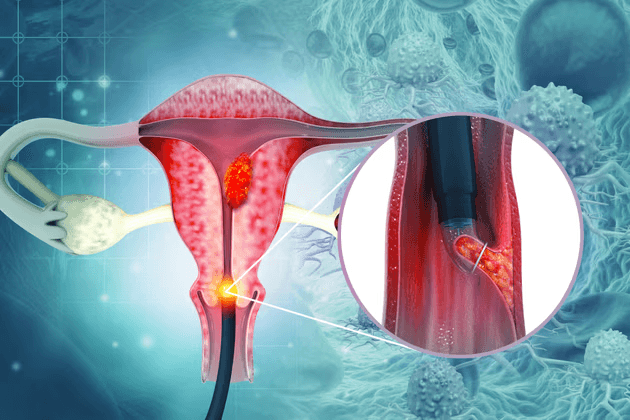
The Implementation Gap
Cervical cancer kills approximately 349,000 women annually, with 94% of deaths occurring in low- and middle-income countries (LMICs)—yet it is entirely preventable through HPV vaccination. The WHO Global Strategy for Cervical Cancer Elimination established the 90-70-90 targets in 2020: 90% of girls vaccinated by age 15, 70% of women screened with high-performance tests, and 90% of identified disease treated by 2030. Achievement would reduce cervical cancer incidence by 42% by 2045 and enable elimination (<4 cases per 100,000) by 2050 in high-income countries. However, global HPV vaccination coverage reached only 31% in 2024, with catastrophic disparities: 33.6% in developed regions versus 2.7% in less-developed regions—a 12-fold gap (WHO/UNICEF, 2025). Only 14 of 26 low-income countries (54%) have introduced HPV vaccines, and screening coverage in sub-Saharan Africa remains at 4% compared to 88% in Europe. The remaining barriers are implementation-focused: fragmented school-based delivery infrastructure, unclear out-of-school girl outreach pathways, limited health-education sector coordination, and insufficient sustainable financing mechanisms despite proven cost-effectiveness of $40-362 per DALY averted.
Evidence for Implementation Readiness
Large-scale population programs demonstrate elimination-level impact
The Norway population-based time-series analysis (42,253 screening tests, 2010-2024) provides the most compelling evidence for vaccination-driven elimination. High-grade cervical lesions (CIN3+) remained stable at 15-24 per 1,000 screened from 2010-2016, peaked at 26-28 per 1,000 in 2017-2018, then declined to 6.6 per 1,000 by 2024 as vaccinated cohorts reached screening age—representing 75% reduction. Segmented regression demonstrated a significant annual decline of −3.04 per 1,000 per year (p = 7.4 × 10⁻⁵) from 2017-2024. In the parallel 15-year northern Norway cohort study, women from pre-vaccine birth cohorts had OR 19.6 (95% CI: 7.3-52.6) for CIN3+ compared to vaccinated cohorts, with zero cervical cancers occurring in vaccinated women during follow-up (Guri et al., 2024; Meling et al., 2024).
The England school-based program BMJ 2024 analysis represents the largest cervical cancer outcome study, encompassing 29,968 cancer diagnoses and 335,228 CIN3 diagnoses across 231 million women-years (2006-2020). Routine vaccination at ages 12-13 achieved 83.9% cervical cancer reduction (95% CI: 63.8-92.8%) and 94.3% CIN3 reduction (95% CI: 92.6-95.7%). By mid-2020, the program had prevented 687 cervical cancers and 23,192 CIN3 cases. Critically, catch-up vaccination at ages 14-16 achieved 71.3% cancer reduction, while vaccination at ages 16-18 achieved only 35.5% reduction—demonstrating that earlier vaccination maximizes population benefit (Falcaro et al., 2024).
Peru's sustained school-based program demonstrates long-term feasibility across diverse geographies, maintaining 82-87% coverage for first-dose vaccination through 15+ years of implementation. The program targets 5th-grade girls (ages 9-13) with quadrivalent vaccine delivered across public and private schools. In 2023, Peru's Ministry of Health administered 688,489 HPV vaccine doses to children aged 9-13, achieving 87% coverage of the target population—the highest sustained coverage in Latin America (Peru Ministry of Health, 2024).
The Texas "All for Them" school-based program achieved 96% parental acceptance and vaccinated over 5,000 youth across six underserved school districts. The program's multicomponent intervention (district champions, principal buy-in, tailored marketing, mobile providers, community presence) demonstrated that school-located vaccination was the only consistently significant driver of coverage increase, with on-premises vaccination reducing barriers related to transportation, cost, and clinic access (Malo et al., 2023).
Single-dose schedules transform global implementation economics
WHO's April 2022 Strategic Advisory Group of Experts (SAGE) recommendation—formalized in the December 2022 position paper—established that single-dose HPV vaccination provides comparable efficacy to two-dose regimens, fundamentally transforming implementation feasibility. The KEN SHE trial (2,275 Kenyan women aged 15-20) demonstrated 97.5% efficacy (95% CI: 81.6-99.7%) against persistent HPV 16/18 infection at 18 months, with three-year follow-up confirming durable protection. The Costa Rica Vaccine Trial long-term follow-up (11-16 years) found single-dose efficacy of 82.1% (95% CI: 40.2-97.0%)—statistically non-inferior to three-dose efficacy of 80.2%. The DoRIS trial in Tanzania confirmed non-inferior immune response in 9-14 year-old girls, with five-year data showing sustained antibody levels (Barnabas et al., 2022; WHO, 2022).
Adoption has been rapid: from WHO's recommendation through February 2025, 67 countries (45% of 148 with national programs) implemented single-dose schedules. GAVI-supported countries reached an additional 18.5-23.3 million girls in 2023-2024, projecting 297,000-370,000 additional cervical cancers averted (GAVI, 2024).
Cost-effectiveness data strongly support population-scale investment. Tanzania costing found single-dose delivery at $2.51 per fully vaccinated girl compared to $5.17 for two-dose—a 51% cost reduction. Incremental cost-effectiveness ratios (ICERs) across LMICs range from $40/DALY averted (Bangladesh) to $197/DALY (Kenya) to $362/QALY (India)—well below cost-effectiveness thresholds of 1× GDP per capita. Kenya modeling demonstrated that switching to single-dose could save $21.4 million over five years, funding 2.75 million additional vaccinations. Global return-on-investment modeling indicates $3.20 returned per dollar invested through 2050 (Levin et al., 2024; Torres-Rueda et al., 2024).
Gender-neutral strategies enhance population coverage and acceptance
The Frontiers 2025 meta-analysis of 17 RCTs encompassing 22,435 participants across 8 countries provides definitive evidence for gender-neutral approaches. Gender-neutral interventions achieved significantly superior outcomes: HPV knowledge SMD 0.954 (95% CI: 0.537-1.371, p<0.001) versus gender-specific SMD 0.226 (p=0.281); vaccination intention SMD 0.593 (95% CI: 0.242-0.944, p=0.0009) versus SMD 0.141 (p=0.049); and vaccination uptake risk difference of 5.7% (95% CI: 0.028-0.087) versus 2.5%. Gender-neutral approaches leverage "default" psychology—normalizing vaccination as routine adolescent care—reducing STI-associated stigma and broadening community acceptance. Currently, 47 countries have implemented gender-neutral HPV vaccination in national programs (Chandeying et al., 2025).
School-based delivery eliminates socioeconomic health inequities
The England BMJ 2024 equity analysis provides landmark evidence that school-based programs eliminate longstanding cervical cancer socioeconomic gradients. Before vaccination, cervical cancer incidence showed a "strong downward gradient from high to low deprivation"—one of the steepest class gradients of any cancer. Post-vaccination, this gradient was eliminated among those offered routine vaccination. CIN3 prevention was remarkably consistent across deprivation quintiles when vaccinated at ages 12-13: 95.3% reduction in most deprived areas versus 96.1% in least deprived areas. The program prevented disproportionately more cases in deprived areas (192 cancers in most deprived quintile vs. 61 in least deprived), reflecting higher baseline burden. This demonstrates that universal school-based delivery achieves equitable population protection regardless of socioeconomic circumstances (Falcaro et al., 2024).
Real-world scale-up validates elimination timelines
Global elimination modeling projects divergent timelines across income settings. High-income countries with established programs can achieve elimination (<4 per 100,000 incidence) by 2028-2050: Australia by 2028, Norway by 2039, United States by 2038-2046, Greece by 2047. For LMICs, comprehensive vaccination reaching 90% coverage plus twice-lifetime screening projects elimination by 2059-2102. Critically, screening accelerates elimination by 11-31 years—without screening, highest-burden countries will not achieve elimination within 100 years even with 90% vaccination coverage (Canfell et al., 2020; Hall et al., 2019).
GAVI's impact demonstrates scalability: HPV coverage in 57 supported countries rose from 3% (2019) to 25% (2024). The HPV Revitalization Initiative committed $600+ million through 2025 targeting 86 million girls. GAVI 6.0 (2026-2030) targets an additional 120 million girls, aiming to save 1.5 million lives through HPV vaccination alone (GAVI, 2025).
Elimination impact requires multi-platform outreach for equity
With 20-40% of girls aged 9-14 out of school in Sub-Saharan Africa, reaching this population is essential for elimination. The 2025 narrative review of delivery strategies identified five effective approaches: facility-based vaccination through routine health services; community outreach through mobile units; household-based delivery with door-to-door enumeration; peer tracing networks; and faith-based organization partnerships (Guillaume et al., 2025).
The Malawi 2025 household survey found only 39% vaccination coverage among eligible girls, with uptake strongly associated with parental education, employment status, and socioeconomic status. Caregivers trusting Ministry of Health information sources were twice as likely to vaccinate daughters—highlighting community health workers as critical trusted messengers (Gaverone et al., 2025).
Implementation Solution for Population-Scale Elimination
Four-pillar implementation framework
Implementation should deploy an integrated four-pillar approach tailored to country context. The framework encompasses:
Pillar 1: School-Based Vaccination as Primary Platform
Target population: All girls in designated school grades (typically ages 9-14)
Delivery model: Vaccination integrated with school health infrastructure
Coverage potential: 82-98% demonstrated across diverse settings (Rwanda 98%, Peru 87%, Zambia 96%)
Success factors: Health-education sector coordination; teacher/principal engagement; informed consent processes; cold chain infrastructure
Pillar 2: Out-of-School Girl Multi-Modal Outreach
Target population: 20-40% of eligible girls not in school (SSA context)
Delivery approaches: Facility-based services; mobile vaccination units; household-based CHW delivery; peer tracing networks; faith-based partnerships
Critical enablers: Community sensitization; flexible service hours; local leader engagement
Pillar 3: Gender-Neutral Vaccination for Population Benefit
Rationale: Enhances herd immunity; protects males against HPV-related cancers; reduces stigma; improves family acceptance
Implementation: Phased rollout (girls first, then boys); cancer prevention messaging; provider training on presumptive recommendation
Current adoption: 47 countries with gender-neutral programs
Pillar 4: Integrated Adolescent Health Service Delivery
Integration opportunities: Deworming programs; HIV prevention education; adolescent wellness programs; national immunization weeks
Models: Multiple tasks (staff providing vaccination AND other care); co-location (matched services by different staff); secondary tasks (additional functions at vaccination visits)
Sustainability: Creates platforms for multiple adolescent interventions, justifying ongoing investment
Service delivery model and clinical workflow
┌─────────────────────────────────────────────────────────────────────────────────────┐
│              SCHOOL-BASED HPV VACCINATION ELIMINATION PATHWAY                       │
├─────────────────────────────────────────────────────────────────────────────────────┤
│                                                                                     │
│  ┌──────────────┐    ┌──────────────┐    ┌──────────────┐    ┌──────────────┐      │
│  │  POPULATION  │───▶│  SCHOOL-BASED│───▶│ OUT-OF-SCHOOL│───▶│  INTEGRATED  │      │
│  │ ENUMERATION  │    │  VACCINATION │    │   OUTREACH   │    │   SERVICES   │      │
│  └──────────────┘    └──────────────┘    └──────────────┘    └──────────────┘      │
│        │                   │                   │                   │               │
│        ▼                   ▼                   ▼                   ▼               │
│  ┌──────────────┐    ┌──────────────┐    ┌──────────────┐    ┌──────────────┐      │
│  │ Registry of  │    │ Vaccination  │    │ CHW household│    │ HPV vaccine  │      │
│  │ all girls    │    │ at school    │    │ visits for   │    │ delivered    │      │
│  │ ages 9-14    │    │ health center│    │ out-of-school│    │ alongside    │      │
│  │              │    │ or mobile    │    │ girls        │    │ deworming,   │      │
│  │ By: Health & │    │ unit         │    │              │    │ wellness,    │      │
│  │ education    │    │              │    │ By: CHWs,    │    │ screening    │      │
│  │ ministries   │    │ Target: 90%  │    │ mobile units │    │              │      │
│  └──────────────┘    │ coverage     │    │              │    │ Creates      │      │
│                      └──────────────┘    └──────────────┘    │ sustainable  │      │
│                             │                   │            │ platform     │      │
│                             └───────────────────┴────────────┴──────────────┘      │
│                                                  │                                  │
│                                                  ▼                                  │
│                                      ┌────────────────────┐                         │
│                                      │ COVERAGE MONITORING│                         │
│                                      │ Target: 90% by 2030│                         │
│                                      │ Registry tracking  │                         │
│                                      │ Equity monitoring  │                         │
│                                      │ by SES, geography  │                         │
│                                      └────────────────────┘                         │
│                                                  │                                  │
│                  ┌───────────────────────────────┼───────────────────────────┐      │
│                  ▼                               ▼                           ▼      │
│         ┌────────────────┐            ┌────────────────┐          ┌────────────────┐│
│         │ SCREENING      │            │ SURVEILLANCE   │          │ ELIMINATION    ││
│         │ INTEGRATION    │            │ SYSTEMS        │          │ DECLARATION    ││
│         │ (Target: 70%   │            │ Cervical cancer│          │ (<
Cadre selection and training requirements
Provider Cadre | Role | Training Duration | Competency Assessment |
|---|---|---|---|
School nurses | Vaccine administration; adverse event monitoring | 2-3 days classroom + 1 week supervised practice | Injection technique; cold chain; AE recognition |
Community health workers | Out-of-school girl enumeration; household delivery | 3-5 days classroom + 2 weeks field training | Vaccine handling; consent; tracking |
Mobile unit teams | Remote/rural vaccination campaigns | 1 week intensive + ongoing supervision | Logistics; community engagement; data recording |
Health facility staff | Routine facility-based vaccination | Integration into existing immunization training | EPI program competencies |
Training protocols follow established EPI (Expanded Programme on Immunization) frameworks, with HPV-specific modules on adolescent communication, consent procedures, and adverse event management. Competency standards require ≥90% practical assessment scores and ≥80% written knowledge scores, with annual refresher training.
Supervision and quality assurance framework
The supervision framework mirrors WHO EPI best practices:
Weekly supervision visits during initial 3-month implementation period
Monthly supervision thereafter with coverage monitoring, vaccine wastage assessment, and cold chain audits
Quarterly quality assurance reviews using standardized checklists
Real-time outcome tracking via immunization registers linked to national health information systems
Adverse event surveillance through passive and active case detection with 48-hour reporting requirements
Quality indicators include: coverage rates (% girls receiving full schedule); dropout rates (% initiating but not completing multi-dose schedules); adverse event rates (target <5 per 10,000 doses); vaccine wastage (target <10%); and equity metrics (coverage stratified by socioeconomic status, geography, ethnicity).
Financing mechanisms for sustainability
GAVI co-financing model provides the primary financing pathway for 73 eligible LMICs. The model requires progressive country contributions: initial GAVI funding → preparatory transition (country contribution 10-20%) → accelerated transition (country contribution 30-80%) → full self-financing. Total country contributions reached $255 million in 2024, projected $311 million in 2025. Nineteen countries have successfully transitioned to full self-financing.
GAVI vaccine pricing: Manufacturer commitments from MSD (Gardasil) and GSK provide ten-year price stability at $4.50-4.60 per dose compared to >$100 in high-income markets. Single-dose schedules reduce per-girl costs by approximately 50%.
Domestic financing integration: Integration into existing primary care and school health budgets minimizes incremental costs. Estimated per capita costs of $0.15-0.30 annually for comprehensive adolescent vaccination programs, with demonstrated cost-savings from cervical cancer treatment avoidance ($5,000-15,000 per case treated) offsetting investment within 15-20 years.
Performance-based financing: Some countries (Rwanda, Tanzania) link HPV vaccination coverage to performance payments for health facilities and districts, incentivizing high coverage and equity.
Implementation Impact and Scalability
Projected population-level impact
For a middle-income country of 50 million population implementing the four-pillar framework:
Target population calculation:
Girls aged 9-14 annually=Population×Birth rate×6 years=50,000,000×0.018×6=5,400,000 girls\text{Girls aged 9-14 annually} = \text{Population} \times \text{Birth rate} \times 6 \text{ years} = 50,000,000 \times 0.018 \times 6 = 5,400,000 \text{ girls}Girls aged 9-14 annually=Population×Birth rate×6 years=50,000,000×0.018×6=5,400,000 girls
Single cohort per year ≈ 900,000 girls (assuming vaccination at age 10)
Implementation requirements:
With 90% coverage target and single-dose schedule:
Girls to vaccinate annually: 810,000
School-based platform reaches: 650,000 girls (80% of target)—school enrollment 72%
Out-of-school outreach required: 160,000 girls (20% of target)
Community health workers needed: 3,200 CHWs (assuming 50 girls/CHW/year for out-of-school population)
Annual vaccine doses: 810,000
Annual vaccine cost: $3.6-3.7 million (at GAVI price of $4.50-4.60/dose)
Total program cost: $7-9 million annually (including training, supervision, cold chain, data systems)
Cost per capita: $0.14-0.18
This translates to approximately 1 CHW per 3,000 population for out-of-school outreach, integrated with existing community health programs.
Elimination timeline projections
Timeline to elimination (<4 per 100,000):
For countries with current incidence of 20-30 per 100,000 (typical middle-income settings), achieving <4 per 100,000 requires:
Vaccination alone: 80-85% reduction needed → Achievable by 2050-2070 with 90% coverage sustained + cohort maturation (20-25 years for full cohort protection)
Vaccination + twice-lifetime screening (70% target): Accelerates elimination by 11-31 years → Achievable by 2039-2059
For high-burden LMICs (incidence >50 per 100,000), elimination timelines extend to 2070-2102 even with comprehensive 90-70-90 achievement, due to higher baseline burden and existing disease prevalence in adult populations.
Equity impact and scalability
Projected outcomes for 50 million population country after 10 years of implementation:
Annual cervical cancer cases prevented: 4,500-6,000 (based on 56.7% reduction in vaccinated cohorts reaching screening age)
Annual deaths averted: 2,500-3,500 (based on 55-60% case fatality in LMICs)
DALYs averted annually: 75,000-105,000 (assuming 30 DALYs lost per death + morbidity)
Economic benefit: $375-525 million annually (using $5,000 treatment cost per case × cases prevented)
Return on investment: $3.20 per dollar invested over program lifetime
Equity monitoring demonstrates that school-based programs can eliminate socioeconomic disparities when implemented with high fidelity. The England data showing 95.3% reduction in most deprived areas versus 96.1% in least deprived areas—with zero gradient post-vaccination—provides the equity benchmark. Critical success factors include: universal school-based delivery (not opt-in); free-to-student vaccination; active outreach to out-of-school populations; and equity-stratified coverage monitoring with corrective action protocols.
Scalability to national programs requires: strong political commitment from health AND education sectors; adequate health workforce (existing EPI staff + school nurses + CHWs); robust cold chain infrastructure (or transition to thermostable vaccines); integration with existing adolescent health platforms; and phased GAVI-to-government financing transition. Countries that have achieved sustained scale include Peru (15+ years, 82-87% coverage), Rwanda (98% coverage), and Zambia (96% coverage during campaigns).
Evidence gaps requiring further research include: optimal strategies for catch-up vaccination in older cohorts (cost-effectiveness above age 18); long-term single-dose durability beyond 15 years (current data show protection to 12-16 years); integration models for HPV vaccination with HPV-based screening in same-visit platforms; and strategies for sustaining 90% coverage post-GAVI transition in lowest-income countries.
References
Barnabas, R. V., Brown, E. R., Onono, M. A., Bukusi, E. A., Njoroge, B., Winer, R. L., ... & Pinder, L. F. (2022). Efficacy of single-dose HPV vaccination among young African women. JAMA Network Open, 5(2), e2147455. https://doi.org/10.1001/jamanetworkopen.2021.47455
Canfell, K., Kim, J. J., Brisson, M., Keane, A., Simms, K. T., Caruana, M., ... & Burger, E. A. (2020). Mortality impact of achieving WHO cervical cancer elimination targets: A comparative modelling analysis in 78 low-income and lower-middle-income countries. The Lancet, 395(10224), 591-603. https://doi.org/10.1016/S0140-6736(20)30157-4
Chandeying, N., Limsuwan, P., Thepsaw, W., & Boonyaleepan, S. (2025). Gender-neutral vs. gender-specific strategies in school-based HPV vaccination programs: A systematic review and meta-analysis. Frontiers in Public Health, 13, 1460511. https://doi.org/10.3389/fpubh.2025.1460511
Falcaro, M., Castañon, A., Ndlela, B., Checchi, M., Soldan, K., Lopez-Bernal, J., ... & Sasieni, P. (2024). Effect of the HPV vaccination programme on incidence of cervical cancer and grade 3 cervical intraepithelial neoplasia by socioeconomic deprivation in England: Population based observational study. BMJ, 385, e077341. https://doi.org/10.1136/bmj-2023-077341
GAVI, the Vaccine Alliance. (2024). Human papillomavirus vaccine support. Retrieved from https://www.gavi.org/types-support/vaccine-support/human-papillomavirus
GAVI, the Vaccine Alliance. (2025). GAVI 6.0 (2026-2030) strategic period. Retrieved from https://www.gavi.org/our-alliance/strategy/phase-6-2026-2030
Gaverone, M., Banda, M., Msowoya, K., Mbweza, E., Jumbe, A., Dyer, J., ... & Maseko, B. (2025). Human papillomavirus vaccination in rural Malawi: Identifying factors associated with vaccine uptake using a community-based household survey. Human Vaccines & Immunotherapeutics, 21(1), 2485651. https://doi.org/10.1080/21645515.2025.2485651
Guillaume, D., Laryea-Adjei, G., Bines, A., Diallo, M. S., Viviano, M., Bloem, P., ... & Hutubessy, R. (2025). HPV vaccine delivery strategies to reach out-of-school girls in low- and middle-income countries: A narrative review. Vaccines, 13(5), 433. https://doi.org/10.3390/vaccines13050433
Guri, M. G., Jørgensen, P., Wilhelmsen, A. S., Sørbye, S. W., Pedersen, H. M., Richardsen, E., ... & Ursin, G. (2024). HPV vaccination and CIN3+ among women aged 25–29 years in northern Norway, 2010–2024: A population-based time-series analysis. Vaccines, 13(11), 1147. https://doi.org/10.3390/vaccines13111147
Hall, M. T., Simms, K. T., Lew, J. B., Smith, M. A., Brotherton, J. M., Saville, M., ... & Canfell, K. (2019). The projected timeframe until cervical cancer elimination in Australia: A modelling study. The Lancet Public Health, 4(1), e19-e27. https://doi.org/10.1016/S2468-2667(18)30183-X
Levin, A., Sharma, M., Olson, Z., Verguet, S., Shi, J. F., Wang, S. M., ... & Qiao, Y. L. (2024). Cost-effectiveness analysis of single-dose HPV vaccination in China. Vaccine, 42(7), 1603-1611. https://doi.org/10.1016/j.vaccine.2024.01.052
Malo, T. L., Vadaparampil, S. T., Staras, S. A., Livingston, M. D., Thompson, E. L., Gwede, C. K., ... & Giuliano, A. R. (2023). Lessons learned from All for Them: Best practices for a cross-collaboration approach to HPV vaccination in public schools. Journal of Community Health, 48(3), 509-518. https://doi.org/10.1007/s10900-023-01201-9
Meling, S., Sørbye, S. W., Pedersen, H. M., Skjeldestad, F. E., Christiansen, I. K., Willems, A. D., ... & Ursin, G. (2024). Impact of HPV vaccination on the incidence of high-grade cervical intraepithelial neoplasia (CIN2+) in women aged 20–25 in the northern part of Norway: A 15-year study. Vaccines, 12(4), 421. https://doi.org/10.3390/vaccines12040421
Torres-Rueda, S., Rulisa, S., Burchett, H. E., Mivumbi, N. V., Mounier-Jack, S., & Terris-Prestholt, F. (2024). Cost-effectiveness of one-dose HPV vaccination in Rwanda. BMJ Global Health, 9(1), e013681. https://doi.org/10.1136/bmjgh-2023-013681
World Health Organization. (2022). One-dose human papillomavirus (HPV) vaccine offers solid protection against cervical cancer. Retrieved from https://www.who.int/news/item/11-04-2022-one-dose-human-papillomavirus-(hpv)-vaccine-offers-solid-protection-against-cervical-cancer
World Health Organization & UNICEF. (2025). Global childhood vaccination coverage holds steady, yet over 14 million infants remain unvaccinated. Retrieved from https://www.who.int/news/item/15-07-2025-global-childhood-vaccination-coverage-holds-steady-yet-over-14-million-infants-remain-unvaccinated-who-unicef
The Implementation Gap
Cervical cancer kills approximately 349,000 women annually, with 94% of deaths occurring in low- and middle-income countries (LMICs)—yet it is entirely preventable through HPV vaccination. The WHO Global Strategy for Cervical Cancer Elimination established the 90-70-90 targets in 2020: 90% of girls vaccinated by age 15, 70% of women screened with high-performance tests, and 90% of identified disease treated by 2030. Achievement would reduce cervical cancer incidence by 42% by 2045 and enable elimination (<4 cases per 100,000) by 2050 in high-income countries. However, global HPV vaccination coverage reached only 31% in 2024, with catastrophic disparities: 33.6% in developed regions versus 2.7% in less-developed regions—a 12-fold gap (WHO/UNICEF, 2025). Only 14 of 26 low-income countries (54%) have introduced HPV vaccines, and screening coverage in sub-Saharan Africa remains at 4% compared to 88% in Europe. The remaining barriers are implementation-focused: fragmented school-based delivery infrastructure, unclear out-of-school girl outreach pathways, limited health-education sector coordination, and insufficient sustainable financing mechanisms despite proven cost-effectiveness of $40-362 per DALY averted.
Evidence for Implementation Readiness
Large-scale population programs demonstrate elimination-level impact
The Norway population-based time-series analysis (42,253 screening tests, 2010-2024) provides the most compelling evidence for vaccination-driven elimination. High-grade cervical lesions (CIN3+) remained stable at 15-24 per 1,000 screened from 2010-2016, peaked at 26-28 per 1,000 in 2017-2018, then declined to 6.6 per 1,000 by 2024 as vaccinated cohorts reached screening age—representing 75% reduction. Segmented regression demonstrated a significant annual decline of −3.04 per 1,000 per year (p = 7.4 × 10⁻⁵) from 2017-2024. In the parallel 15-year northern Norway cohort study, women from pre-vaccine birth cohorts had OR 19.6 (95% CI: 7.3-52.6) for CIN3+ compared to vaccinated cohorts, with zero cervical cancers occurring in vaccinated women during follow-up (Guri et al., 2024; Meling et al., 2024).
The England school-based program BMJ 2024 analysis represents the largest cervical cancer outcome study, encompassing 29,968 cancer diagnoses and 335,228 CIN3 diagnoses across 231 million women-years (2006-2020). Routine vaccination at ages 12-13 achieved 83.9% cervical cancer reduction (95% CI: 63.8-92.8%) and 94.3% CIN3 reduction (95% CI: 92.6-95.7%). By mid-2020, the program had prevented 687 cervical cancers and 23,192 CIN3 cases. Critically, catch-up vaccination at ages 14-16 achieved 71.3% cancer reduction, while vaccination at ages 16-18 achieved only 35.5% reduction—demonstrating that earlier vaccination maximizes population benefit (Falcaro et al., 2024).
Peru's sustained school-based program demonstrates long-term feasibility across diverse geographies, maintaining 82-87% coverage for first-dose vaccination through 15+ years of implementation. The program targets 5th-grade girls (ages 9-13) with quadrivalent vaccine delivered across public and private schools. In 2023, Peru's Ministry of Health administered 688,489 HPV vaccine doses to children aged 9-13, achieving 87% coverage of the target population—the highest sustained coverage in Latin America (Peru Ministry of Health, 2024).
The Texas "All for Them" school-based program achieved 96% parental acceptance and vaccinated over 5,000 youth across six underserved school districts. The program's multicomponent intervention (district champions, principal buy-in, tailored marketing, mobile providers, community presence) demonstrated that school-located vaccination was the only consistently significant driver of coverage increase, with on-premises vaccination reducing barriers related to transportation, cost, and clinic access (Malo et al., 2023).
Single-dose schedules transform global implementation economics
WHO's April 2022 Strategic Advisory Group of Experts (SAGE) recommendation—formalized in the December 2022 position paper—established that single-dose HPV vaccination provides comparable efficacy to two-dose regimens, fundamentally transforming implementation feasibility. The KEN SHE trial (2,275 Kenyan women aged 15-20) demonstrated 97.5% efficacy (95% CI: 81.6-99.7%) against persistent HPV 16/18 infection at 18 months, with three-year follow-up confirming durable protection. The Costa Rica Vaccine Trial long-term follow-up (11-16 years) found single-dose efficacy of 82.1% (95% CI: 40.2-97.0%)—statistically non-inferior to three-dose efficacy of 80.2%. The DoRIS trial in Tanzania confirmed non-inferior immune response in 9-14 year-old girls, with five-year data showing sustained antibody levels (Barnabas et al., 2022; WHO, 2022).
Adoption has been rapid: from WHO's recommendation through February 2025, 67 countries (45% of 148 with national programs) implemented single-dose schedules. GAVI-supported countries reached an additional 18.5-23.3 million girls in 2023-2024, projecting 297,000-370,000 additional cervical cancers averted (GAVI, 2024).
Cost-effectiveness data strongly support population-scale investment. Tanzania costing found single-dose delivery at $2.51 per fully vaccinated girl compared to $5.17 for two-dose—a 51% cost reduction. Incremental cost-effectiveness ratios (ICERs) across LMICs range from $40/DALY averted (Bangladesh) to $197/DALY (Kenya) to $362/QALY (India)—well below cost-effectiveness thresholds of 1× GDP per capita. Kenya modeling demonstrated that switching to single-dose could save $21.4 million over five years, funding 2.75 million additional vaccinations. Global return-on-investment modeling indicates $3.20 returned per dollar invested through 2050 (Levin et al., 2024; Torres-Rueda et al., 2024).
Gender-neutral strategies enhance population coverage and acceptance
The Frontiers 2025 meta-analysis of 17 RCTs encompassing 22,435 participants across 8 countries provides definitive evidence for gender-neutral approaches. Gender-neutral interventions achieved significantly superior outcomes: HPV knowledge SMD 0.954 (95% CI: 0.537-1.371, p<0.001) versus gender-specific SMD 0.226 (p=0.281); vaccination intention SMD 0.593 (95% CI: 0.242-0.944, p=0.0009) versus SMD 0.141 (p=0.049); and vaccination uptake risk difference of 5.7% (95% CI: 0.028-0.087) versus 2.5%. Gender-neutral approaches leverage "default" psychology—normalizing vaccination as routine adolescent care—reducing STI-associated stigma and broadening community acceptance. Currently, 47 countries have implemented gender-neutral HPV vaccination in national programs (Chandeying et al., 2025).
School-based delivery eliminates socioeconomic health inequities
The England BMJ 2024 equity analysis provides landmark evidence that school-based programs eliminate longstanding cervical cancer socioeconomic gradients. Before vaccination, cervical cancer incidence showed a "strong downward gradient from high to low deprivation"—one of the steepest class gradients of any cancer. Post-vaccination, this gradient was eliminated among those offered routine vaccination. CIN3 prevention was remarkably consistent across deprivation quintiles when vaccinated at ages 12-13: 95.3% reduction in most deprived areas versus 96.1% in least deprived areas. The program prevented disproportionately more cases in deprived areas (192 cancers in most deprived quintile vs. 61 in least deprived), reflecting higher baseline burden. This demonstrates that universal school-based delivery achieves equitable population protection regardless of socioeconomic circumstances (Falcaro et al., 2024).
Real-world scale-up validates elimination timelines
Global elimination modeling projects divergent timelines across income settings. High-income countries with established programs can achieve elimination (<4 per 100,000 incidence) by 2028-2050: Australia by 2028, Norway by 2039, United States by 2038-2046, Greece by 2047. For LMICs, comprehensive vaccination reaching 90% coverage plus twice-lifetime screening projects elimination by 2059-2102. Critically, screening accelerates elimination by 11-31 years—without screening, highest-burden countries will not achieve elimination within 100 years even with 90% vaccination coverage (Canfell et al., 2020; Hall et al., 2019).
GAVI's impact demonstrates scalability: HPV coverage in 57 supported countries rose from 3% (2019) to 25% (2024). The HPV Revitalization Initiative committed $600+ million through 2025 targeting 86 million girls. GAVI 6.0 (2026-2030) targets an additional 120 million girls, aiming to save 1.5 million lives through HPV vaccination alone (GAVI, 2025).
Elimination impact requires multi-platform outreach for equity
With 20-40% of girls aged 9-14 out of school in Sub-Saharan Africa, reaching this population is essential for elimination. The 2025 narrative review of delivery strategies identified five effective approaches: facility-based vaccination through routine health services; community outreach through mobile units; household-based delivery with door-to-door enumeration; peer tracing networks; and faith-based organization partnerships (Guillaume et al., 2025).
The Malawi 2025 household survey found only 39% vaccination coverage among eligible girls, with uptake strongly associated with parental education, employment status, and socioeconomic status. Caregivers trusting Ministry of Health information sources were twice as likely to vaccinate daughters—highlighting community health workers as critical trusted messengers (Gaverone et al., 2025).
Implementation Solution for Population-Scale Elimination
Four-pillar implementation framework
Implementation should deploy an integrated four-pillar approach tailored to country context. The framework encompasses:
Pillar 1: School-Based Vaccination as Primary Platform
Target population: All girls in designated school grades (typically ages 9-14)
Delivery model: Vaccination integrated with school health infrastructure
Coverage potential: 82-98% demonstrated across diverse settings (Rwanda 98%, Peru 87%, Zambia 96%)
Success factors: Health-education sector coordination; teacher/principal engagement; informed consent processes; cold chain infrastructure
Pillar 2: Out-of-School Girl Multi-Modal Outreach
Target population: 20-40% of eligible girls not in school (SSA context)
Delivery approaches: Facility-based services; mobile vaccination units; household-based CHW delivery; peer tracing networks; faith-based partnerships
Critical enablers: Community sensitization; flexible service hours; local leader engagement
Pillar 3: Gender-Neutral Vaccination for Population Benefit
Rationale: Enhances herd immunity; protects males against HPV-related cancers; reduces stigma; improves family acceptance
Implementation: Phased rollout (girls first, then boys); cancer prevention messaging; provider training on presumptive recommendation
Current adoption: 47 countries with gender-neutral programs
Pillar 4: Integrated Adolescent Health Service Delivery
Integration opportunities: Deworming programs; HIV prevention education; adolescent wellness programs; national immunization weeks
Models: Multiple tasks (staff providing vaccination AND other care); co-location (matched services by different staff); secondary tasks (additional functions at vaccination visits)
Sustainability: Creates platforms for multiple adolescent interventions, justifying ongoing investment
Service delivery model and clinical workflow
┌─────────────────────────────────────────────────────────────────────────────────────┐
│              SCHOOL-BASED HPV VACCINATION ELIMINATION PATHWAY                       │
├─────────────────────────────────────────────────────────────────────────────────────┤
│                                                                                     │
│  ┌──────────────┐    ┌──────────────┐    ┌──────────────┐    ┌──────────────┐      │
│  │  POPULATION  │───▶│  SCHOOL-BASED│───▶│ OUT-OF-SCHOOL│───▶│  INTEGRATED  │      │
│  │ ENUMERATION  │    │  VACCINATION │    │   OUTREACH   │    │   SERVICES   │      │
│  └──────────────┘    └──────────────┘    └──────────────┘    └──────────────┘      │
│        │                   │                   │                   │               │
│        ▼                   ▼                   ▼                   ▼               │
│  ┌──────────────┐    ┌──────────────┐    ┌──────────────┐    ┌──────────────┐      │
│  │ Registry of  │    │ Vaccination  │    │ CHW household│    │ HPV vaccine  │      │
│  │ all girls    │    │ at school    │    │ visits for   │    │ delivered    │      │
│  │ ages 9-14    │    │ health center│    │ out-of-school│    │ alongside    │      │
│  │              │    │ or mobile    │    │ girls        │    │ deworming,   │      │
│  │ By: Health & │    │ unit         │    │              │    │ wellness,    │      │
│  │ education    │    │              │    │ By: CHWs,    │    │ screening    │      │
│  │ ministries   │    │ Target: 90%  │    │ mobile units │    │              │      │
│  └──────────────┘    │ coverage     │    │              │    │ Creates      │      │
│                      └──────────────┘    └──────────────┘    │ sustainable  │      │
│                             │                   │            │ platform     │      │
│                             └───────────────────┴────────────┴──────────────┘      │
│                                                  │                                  │
│                                                  ▼                                  │
│                                      ┌────────────────────┐                         │
│                                      │ COVERAGE MONITORING│                         │
│                                      │ Target: 90% by 2030│                         │
│                                      │ Registry tracking  │                         │
│                                      │ Equity monitoring  │                         │
│                                      │ by SES, geography  │                         │
│                                      └────────────────────┘                         │
│                                                  │                                  │
│                  ┌───────────────────────────────┼───────────────────────────┐      │
│                  ▼                               ▼                           ▼      │
│         ┌────────────────┐            ┌────────────────┐          ┌────────────────┐│
│         │ SCREENING      │            │ SURVEILLANCE   │          │ ELIMINATION    ││
│         │ INTEGRATION    │            │ SYSTEMS        │          │ DECLARATION    ││
│         │ (Target: 70%   │            │ Cervical cancer│          │ (<
Cadre selection and training requirements
Provider Cadre | Role | Training Duration | Competency Assessment |
|---|---|---|---|
School nurses | Vaccine administration; adverse event monitoring | 2-3 days classroom + 1 week supervised practice | Injection technique; cold chain; AE recognition |
Community health workers | Out-of-school girl enumeration; household delivery | 3-5 days classroom + 2 weeks field training | Vaccine handling; consent; tracking |
Mobile unit teams | Remote/rural vaccination campaigns | 1 week intensive + ongoing supervision | Logistics; community engagement; data recording |
Health facility staff | Routine facility-based vaccination | Integration into existing immunization training | EPI program competencies |
Training protocols follow established EPI (Expanded Programme on Immunization) frameworks, with HPV-specific modules on adolescent communication, consent procedures, and adverse event management. Competency standards require ≥90% practical assessment scores and ≥80% written knowledge scores, with annual refresher training.
Supervision and quality assurance framework
The supervision framework mirrors WHO EPI best practices:
Weekly supervision visits during initial 3-month implementation period
Monthly supervision thereafter with coverage monitoring, vaccine wastage assessment, and cold chain audits
Quarterly quality assurance reviews using standardized checklists
Real-time outcome tracking via immunization registers linked to national health information systems
Adverse event surveillance through passive and active case detection with 48-hour reporting requirements
Quality indicators include: coverage rates (% girls receiving full schedule); dropout rates (% initiating but not completing multi-dose schedules); adverse event rates (target <5 per 10,000 doses); vaccine wastage (target <10%); and equity metrics (coverage stratified by socioeconomic status, geography, ethnicity).
Financing mechanisms for sustainability
GAVI co-financing model provides the primary financing pathway for 73 eligible LMICs. The model requires progressive country contributions: initial GAVI funding → preparatory transition (country contribution 10-20%) → accelerated transition (country contribution 30-80%) → full self-financing. Total country contributions reached $255 million in 2024, projected $311 million in 2025. Nineteen countries have successfully transitioned to full self-financing.
GAVI vaccine pricing: Manufacturer commitments from MSD (Gardasil) and GSK provide ten-year price stability at $4.50-4.60 per dose compared to >$100 in high-income markets. Single-dose schedules reduce per-girl costs by approximately 50%.
Domestic financing integration: Integration into existing primary care and school health budgets minimizes incremental costs. Estimated per capita costs of $0.15-0.30 annually for comprehensive adolescent vaccination programs, with demonstrated cost-savings from cervical cancer treatment avoidance ($5,000-15,000 per case treated) offsetting investment within 15-20 years.
Performance-based financing: Some countries (Rwanda, Tanzania) link HPV vaccination coverage to performance payments for health facilities and districts, incentivizing high coverage and equity.
Implementation Impact and Scalability
Projected population-level impact
For a middle-income country of 50 million population implementing the four-pillar framework:
Target population calculation:
Girls aged 9-14 annually=Population×Birth rate×6 years=50,000,000×0.018×6=5,400,000 girls\text{Girls aged 9-14 annually} = \text{Population} \times \text{Birth rate} \times 6 \text{ years} = 50,000,000 \times 0.018 \times 6 = 5,400,000 \text{ girls}Girls aged 9-14 annually=Population×Birth rate×6 years=50,000,000×0.018×6=5,400,000 girls
Single cohort per year ≈ 900,000 girls (assuming vaccination at age 10)
Implementation requirements:
With 90% coverage target and single-dose schedule:
Girls to vaccinate annually: 810,000
School-based platform reaches: 650,000 girls (80% of target)—school enrollment 72%
Out-of-school outreach required: 160,000 girls (20% of target)
Community health workers needed: 3,200 CHWs (assuming 50 girls/CHW/year for out-of-school population)
Annual vaccine doses: 810,000
Annual vaccine cost: $3.6-3.7 million (at GAVI price of $4.50-4.60/dose)
Total program cost: $7-9 million annually (including training, supervision, cold chain, data systems)
Cost per capita: $0.14-0.18
This translates to approximately 1 CHW per 3,000 population for out-of-school outreach, integrated with existing community health programs.
Elimination timeline projections
Timeline to elimination (<4 per 100,000):
For countries with current incidence of 20-30 per 100,000 (typical middle-income settings), achieving <4 per 100,000 requires:
Vaccination alone: 80-85% reduction needed → Achievable by 2050-2070 with 90% coverage sustained + cohort maturation (20-25 years for full cohort protection)
Vaccination + twice-lifetime screening (70% target): Accelerates elimination by 11-31 years → Achievable by 2039-2059
For high-burden LMICs (incidence >50 per 100,000), elimination timelines extend to 2070-2102 even with comprehensive 90-70-90 achievement, due to higher baseline burden and existing disease prevalence in adult populations.
Equity impact and scalability
Projected outcomes for 50 million population country after 10 years of implementation:
Annual cervical cancer cases prevented: 4,500-6,000 (based on 56.7% reduction in vaccinated cohorts reaching screening age)
Annual deaths averted: 2,500-3,500 (based on 55-60% case fatality in LMICs)
DALYs averted annually: 75,000-105,000 (assuming 30 DALYs lost per death + morbidity)
Economic benefit: $375-525 million annually (using $5,000 treatment cost per case × cases prevented)
Return on investment: $3.20 per dollar invested over program lifetime
Equity monitoring demonstrates that school-based programs can eliminate socioeconomic disparities when implemented with high fidelity. The England data showing 95.3% reduction in most deprived areas versus 96.1% in least deprived areas—with zero gradient post-vaccination—provides the equity benchmark. Critical success factors include: universal school-based delivery (not opt-in); free-to-student vaccination; active outreach to out-of-school populations; and equity-stratified coverage monitoring with corrective action protocols.
Scalability to national programs requires: strong political commitment from health AND education sectors; adequate health workforce (existing EPI staff + school nurses + CHWs); robust cold chain infrastructure (or transition to thermostable vaccines); integration with existing adolescent health platforms; and phased GAVI-to-government financing transition. Countries that have achieved sustained scale include Peru (15+ years, 82-87% coverage), Rwanda (98% coverage), and Zambia (96% coverage during campaigns).
Evidence gaps requiring further research include: optimal strategies for catch-up vaccination in older cohorts (cost-effectiveness above age 18); long-term single-dose durability beyond 15 years (current data show protection to 12-16 years); integration models for HPV vaccination with HPV-based screening in same-visit platforms; and strategies for sustaining 90% coverage post-GAVI transition in lowest-income countries.
References
Barnabas, R. V., Brown, E. R., Onono, M. A., Bukusi, E. A., Njoroge, B., Winer, R. L., ... & Pinder, L. F. (2022). Efficacy of single-dose HPV vaccination among young African women. JAMA Network Open, 5(2), e2147455. https://doi.org/10.1001/jamanetworkopen.2021.47455
Canfell, K., Kim, J. J., Brisson, M., Keane, A., Simms, K. T., Caruana, M., ... & Burger, E. A. (2020). Mortality impact of achieving WHO cervical cancer elimination targets: A comparative modelling analysis in 78 low-income and lower-middle-income countries. The Lancet, 395(10224), 591-603. https://doi.org/10.1016/S0140-6736(20)30157-4
Chandeying, N., Limsuwan, P., Thepsaw, W., & Boonyaleepan, S. (2025). Gender-neutral vs. gender-specific strategies in school-based HPV vaccination programs: A systematic review and meta-analysis. Frontiers in Public Health, 13, 1460511. https://doi.org/10.3389/fpubh.2025.1460511
Falcaro, M., Castañon, A., Ndlela, B., Checchi, M., Soldan, K., Lopez-Bernal, J., ... & Sasieni, P. (2024). Effect of the HPV vaccination programme on incidence of cervical cancer and grade 3 cervical intraepithelial neoplasia by socioeconomic deprivation in England: Population based observational study. BMJ, 385, e077341. https://doi.org/10.1136/bmj-2023-077341
GAVI, the Vaccine Alliance. (2024). Human papillomavirus vaccine support. Retrieved from https://www.gavi.org/types-support/vaccine-support/human-papillomavirus
GAVI, the Vaccine Alliance. (2025). GAVI 6.0 (2026-2030) strategic period. Retrieved from https://www.gavi.org/our-alliance/strategy/phase-6-2026-2030
Gaverone, M., Banda, M., Msowoya, K., Mbweza, E., Jumbe, A., Dyer, J., ... & Maseko, B. (2025). Human papillomavirus vaccination in rural Malawi: Identifying factors associated with vaccine uptake using a community-based household survey. Human Vaccines & Immunotherapeutics, 21(1), 2485651. https://doi.org/10.1080/21645515.2025.2485651
Guillaume, D., Laryea-Adjei, G., Bines, A., Diallo, M. S., Viviano, M., Bloem, P., ... & Hutubessy, R. (2025). HPV vaccine delivery strategies to reach out-of-school girls in low- and middle-income countries: A narrative review. Vaccines, 13(5), 433. https://doi.org/10.3390/vaccines13050433
Guri, M. G., Jørgensen, P., Wilhelmsen, A. S., Sørbye, S. W., Pedersen, H. M., Richardsen, E., ... & Ursin, G. (2024). HPV vaccination and CIN3+ among women aged 25–29 years in northern Norway, 2010–2024: A population-based time-series analysis. Vaccines, 13(11), 1147. https://doi.org/10.3390/vaccines13111147
Hall, M. T., Simms, K. T., Lew, J. B., Smith, M. A., Brotherton, J. M., Saville, M., ... & Canfell, K. (2019). The projected timeframe until cervical cancer elimination in Australia: A modelling study. The Lancet Public Health, 4(1), e19-e27. https://doi.org/10.1016/S2468-2667(18)30183-X
Levin, A., Sharma, M., Olson, Z., Verguet, S., Shi, J. F., Wang, S. M., ... & Qiao, Y. L. (2024). Cost-effectiveness analysis of single-dose HPV vaccination in China. Vaccine, 42(7), 1603-1611. https://doi.org/10.1016/j.vaccine.2024.01.052
Malo, T. L., Vadaparampil, S. T., Staras, S. A., Livingston, M. D., Thompson, E. L., Gwede, C. K., ... & Giuliano, A. R. (2023). Lessons learned from All for Them: Best practices for a cross-collaboration approach to HPV vaccination in public schools. Journal of Community Health, 48(3), 509-518. https://doi.org/10.1007/s10900-023-01201-9
Meling, S., Sørbye, S. W., Pedersen, H. M., Skjeldestad, F. E., Christiansen, I. K., Willems, A. D., ... & Ursin, G. (2024). Impact of HPV vaccination on the incidence of high-grade cervical intraepithelial neoplasia (CIN2+) in women aged 20–25 in the northern part of Norway: A 15-year study. Vaccines, 12(4), 421. https://doi.org/10.3390/vaccines12040421
Torres-Rueda, S., Rulisa, S., Burchett, H. E., Mivumbi, N. V., Mounier-Jack, S., & Terris-Prestholt, F. (2024). Cost-effectiveness of one-dose HPV vaccination in Rwanda. BMJ Global Health, 9(1), e013681. https://doi.org/10.1136/bmjgh-2023-013681
World Health Organization. (2022). One-dose human papillomavirus (HPV) vaccine offers solid protection against cervical cancer. Retrieved from https://www.who.int/news/item/11-04-2022-one-dose-human-papillomavirus-(hpv)-vaccine-offers-solid-protection-against-cervical-cancer
World Health Organization & UNICEF. (2025). Global childhood vaccination coverage holds steady, yet over 14 million infants remain unvaccinated. Retrieved from https://www.who.int/news/item/15-07-2025-global-childhood-vaccination-coverage-holds-steady-yet-over-14-million-infants-remain-unvaccinated-who-unicef
The Implementation Gap
Cervical cancer kills approximately 349,000 women annually, with 94% of deaths occurring in low- and middle-income countries (LMICs)—yet it is entirely preventable through HPV vaccination. The WHO Global Strategy for Cervical Cancer Elimination established the 90-70-90 targets in 2020: 90% of girls vaccinated by age 15, 70% of women screened with high-performance tests, and 90% of identified disease treated by 2030. Achievement would reduce cervical cancer incidence by 42% by 2045 and enable elimination (<4 cases per 100,000) by 2050 in high-income countries. However, global HPV vaccination coverage reached only 31% in 2024, with catastrophic disparities: 33.6% in developed regions versus 2.7% in less-developed regions—a 12-fold gap (WHO/UNICEF, 2025). Only 14 of 26 low-income countries (54%) have introduced HPV vaccines, and screening coverage in sub-Saharan Africa remains at 4% compared to 88% in Europe. The remaining barriers are implementation-focused: fragmented school-based delivery infrastructure, unclear out-of-school girl outreach pathways, limited health-education sector coordination, and insufficient sustainable financing mechanisms despite proven cost-effectiveness of $40-362 per DALY averted.
Evidence for Implementation Readiness
Large-scale population programs demonstrate elimination-level impact
The Norway population-based time-series analysis (42,253 screening tests, 2010-2024) provides the most compelling evidence for vaccination-driven elimination. High-grade cervical lesions (CIN3+) remained stable at 15-24 per 1,000 screened from 2010-2016, peaked at 26-28 per 1,000 in 2017-2018, then declined to 6.6 per 1,000 by 2024 as vaccinated cohorts reached screening age—representing 75% reduction. Segmented regression demonstrated a significant annual decline of −3.04 per 1,000 per year (p = 7.4 × 10⁻⁵) from 2017-2024. In the parallel 15-year northern Norway cohort study, women from pre-vaccine birth cohorts had OR 19.6 (95% CI: 7.3-52.6) for CIN3+ compared to vaccinated cohorts, with zero cervical cancers occurring in vaccinated women during follow-up (Guri et al., 2024; Meling et al., 2024).
The England school-based program BMJ 2024 analysis represents the largest cervical cancer outcome study, encompassing 29,968 cancer diagnoses and 335,228 CIN3 diagnoses across 231 million women-years (2006-2020). Routine vaccination at ages 12-13 achieved 83.9% cervical cancer reduction (95% CI: 63.8-92.8%) and 94.3% CIN3 reduction (95% CI: 92.6-95.7%). By mid-2020, the program had prevented 687 cervical cancers and 23,192 CIN3 cases. Critically, catch-up vaccination at ages 14-16 achieved 71.3% cancer reduction, while vaccination at ages 16-18 achieved only 35.5% reduction—demonstrating that earlier vaccination maximizes population benefit (Falcaro et al., 2024).
Peru's sustained school-based program demonstrates long-term feasibility across diverse geographies, maintaining 82-87% coverage for first-dose vaccination through 15+ years of implementation. The program targets 5th-grade girls (ages 9-13) with quadrivalent vaccine delivered across public and private schools. In 2023, Peru's Ministry of Health administered 688,489 HPV vaccine doses to children aged 9-13, achieving 87% coverage of the target population—the highest sustained coverage in Latin America (Peru Ministry of Health, 2024).
The Texas "All for Them" school-based program achieved 96% parental acceptance and vaccinated over 5,000 youth across six underserved school districts. The program's multicomponent intervention (district champions, principal buy-in, tailored marketing, mobile providers, community presence) demonstrated that school-located vaccination was the only consistently significant driver of coverage increase, with on-premises vaccination reducing barriers related to transportation, cost, and clinic access (Malo et al., 2023).
Single-dose schedules transform global implementation economics
WHO's April 2022 Strategic Advisory Group of Experts (SAGE) recommendation—formalized in the December 2022 position paper—established that single-dose HPV vaccination provides comparable efficacy to two-dose regimens, fundamentally transforming implementation feasibility. The KEN SHE trial (2,275 Kenyan women aged 15-20) demonstrated 97.5% efficacy (95% CI: 81.6-99.7%) against persistent HPV 16/18 infection at 18 months, with three-year follow-up confirming durable protection. The Costa Rica Vaccine Trial long-term follow-up (11-16 years) found single-dose efficacy of 82.1% (95% CI: 40.2-97.0%)—statistically non-inferior to three-dose efficacy of 80.2%. The DoRIS trial in Tanzania confirmed non-inferior immune response in 9-14 year-old girls, with five-year data showing sustained antibody levels (Barnabas et al., 2022; WHO, 2022).
Adoption has been rapid: from WHO's recommendation through February 2025, 67 countries (45% of 148 with national programs) implemented single-dose schedules. GAVI-supported countries reached an additional 18.5-23.3 million girls in 2023-2024, projecting 297,000-370,000 additional cervical cancers averted (GAVI, 2024).
Cost-effectiveness data strongly support population-scale investment. Tanzania costing found single-dose delivery at $2.51 per fully vaccinated girl compared to $5.17 for two-dose—a 51% cost reduction. Incremental cost-effectiveness ratios (ICERs) across LMICs range from $40/DALY averted (Bangladesh) to $197/DALY (Kenya) to $362/QALY (India)—well below cost-effectiveness thresholds of 1× GDP per capita. Kenya modeling demonstrated that switching to single-dose could save $21.4 million over five years, funding 2.75 million additional vaccinations. Global return-on-investment modeling indicates $3.20 returned per dollar invested through 2050 (Levin et al., 2024; Torres-Rueda et al., 2024).
Gender-neutral strategies enhance population coverage and acceptance
The Frontiers 2025 meta-analysis of 17 RCTs encompassing 22,435 participants across 8 countries provides definitive evidence for gender-neutral approaches. Gender-neutral interventions achieved significantly superior outcomes: HPV knowledge SMD 0.954 (95% CI: 0.537-1.371, p<0.001) versus gender-specific SMD 0.226 (p=0.281); vaccination intention SMD 0.593 (95% CI: 0.242-0.944, p=0.0009) versus SMD 0.141 (p=0.049); and vaccination uptake risk difference of 5.7% (95% CI: 0.028-0.087) versus 2.5%. Gender-neutral approaches leverage "default" psychology—normalizing vaccination as routine adolescent care—reducing STI-associated stigma and broadening community acceptance. Currently, 47 countries have implemented gender-neutral HPV vaccination in national programs (Chandeying et al., 2025).
School-based delivery eliminates socioeconomic health inequities
The England BMJ 2024 equity analysis provides landmark evidence that school-based programs eliminate longstanding cervical cancer socioeconomic gradients. Before vaccination, cervical cancer incidence showed a "strong downward gradient from high to low deprivation"—one of the steepest class gradients of any cancer. Post-vaccination, this gradient was eliminated among those offered routine vaccination. CIN3 prevention was remarkably consistent across deprivation quintiles when vaccinated at ages 12-13: 95.3% reduction in most deprived areas versus 96.1% in least deprived areas. The program prevented disproportionately more cases in deprived areas (192 cancers in most deprived quintile vs. 61 in least deprived), reflecting higher baseline burden. This demonstrates that universal school-based delivery achieves equitable population protection regardless of socioeconomic circumstances (Falcaro et al., 2024).
Real-world scale-up validates elimination timelines
Global elimination modeling projects divergent timelines across income settings. High-income countries with established programs can achieve elimination (<4 per 100,000 incidence) by 2028-2050: Australia by 2028, Norway by 2039, United States by 2038-2046, Greece by 2047. For LMICs, comprehensive vaccination reaching 90% coverage plus twice-lifetime screening projects elimination by 2059-2102. Critically, screening accelerates elimination by 11-31 years—without screening, highest-burden countries will not achieve elimination within 100 years even with 90% vaccination coverage (Canfell et al., 2020; Hall et al., 2019).
GAVI's impact demonstrates scalability: HPV coverage in 57 supported countries rose from 3% (2019) to 25% (2024). The HPV Revitalization Initiative committed $600+ million through 2025 targeting 86 million girls. GAVI 6.0 (2026-2030) targets an additional 120 million girls, aiming to save 1.5 million lives through HPV vaccination alone (GAVI, 2025).
Elimination impact requires multi-platform outreach for equity
With 20-40% of girls aged 9-14 out of school in Sub-Saharan Africa, reaching this population is essential for elimination. The 2025 narrative review of delivery strategies identified five effective approaches: facility-based vaccination through routine health services; community outreach through mobile units; household-based delivery with door-to-door enumeration; peer tracing networks; and faith-based organization partnerships (Guillaume et al., 2025).
The Malawi 2025 household survey found only 39% vaccination coverage among eligible girls, with uptake strongly associated with parental education, employment status, and socioeconomic status. Caregivers trusting Ministry of Health information sources were twice as likely to vaccinate daughters—highlighting community health workers as critical trusted messengers (Gaverone et al., 2025).
Implementation Solution for Population-Scale Elimination
Four-pillar implementation framework
Implementation should deploy an integrated four-pillar approach tailored to country context. The framework encompasses:
Pillar 1: School-Based Vaccination as Primary Platform
Target population: All girls in designated school grades (typically ages 9-14)
Delivery model: Vaccination integrated with school health infrastructure
Coverage potential: 82-98% demonstrated across diverse settings (Rwanda 98%, Peru 87%, Zambia 96%)
Success factors: Health-education sector coordination; teacher/principal engagement; informed consent processes; cold chain infrastructure
Pillar 2: Out-of-School Girl Multi-Modal Outreach
Target population: 20-40% of eligible girls not in school (SSA context)
Delivery approaches: Facility-based services; mobile vaccination units; household-based CHW delivery; peer tracing networks; faith-based partnerships
Critical enablers: Community sensitization; flexible service hours; local leader engagement
Pillar 3: Gender-Neutral Vaccination for Population Benefit
Rationale: Enhances herd immunity; protects males against HPV-related cancers; reduces stigma; improves family acceptance
Implementation: Phased rollout (girls first, then boys); cancer prevention messaging; provider training on presumptive recommendation
Current adoption: 47 countries with gender-neutral programs
Pillar 4: Integrated Adolescent Health Service Delivery
Integration opportunities: Deworming programs; HIV prevention education; adolescent wellness programs; national immunization weeks
Models: Multiple tasks (staff providing vaccination AND other care); co-location (matched services by different staff); secondary tasks (additional functions at vaccination visits)
Sustainability: Creates platforms for multiple adolescent interventions, justifying ongoing investment
Service delivery model and clinical workflow
┌─────────────────────────────────────────────────────────────────────────────────────┐
│              SCHOOL-BASED HPV VACCINATION ELIMINATION PATHWAY                       │
├─────────────────────────────────────────────────────────────────────────────────────┤
│                                                                                     │
│  ┌──────────────┐    ┌──────────────┐    ┌──────────────┐    ┌──────────────┐      │
│  │  POPULATION  │───▶│  SCHOOL-BASED│───▶│ OUT-OF-SCHOOL│───▶│  INTEGRATED  │      │
│  │ ENUMERATION  │    │  VACCINATION │    │   OUTREACH   │    │   SERVICES   │      │
│  └──────────────┘    └──────────────┘    └──────────────┘    └──────────────┘      │
│        │                   │                   │                   │               │
│        ▼                   ▼                   ▼                   ▼               │
│  ┌──────────────┐    ┌──────────────┐    ┌──────────────┐    ┌──────────────┐      │
│  │ Registry of  │    │ Vaccination  │    │ CHW household│    │ HPV vaccine  │      │
│  │ all girls    │    │ at school    │    │ visits for   │    │ delivered    │      │
│  │ ages 9-14    │    │ health center│    │ out-of-school│    │ alongside    │      │
│  │              │    │ or mobile    │    │ girls        │    │ deworming,   │      │
│  │ By: Health & │    │ unit         │    │              │    │ wellness,    │      │
│  │ education    │    │              │    │ By: CHWs,    │    │ screening    │      │
│  │ ministries   │    │ Target: 90%  │    │ mobile units │    │              │      │
│  └──────────────┘    │ coverage     │    │              │    │ Creates      │      │
│                      └──────────────┘    └──────────────┘    │ sustainable  │      │
│                             │                   │            │ platform     │      │
│                             └───────────────────┴────────────┴──────────────┘      │
│                                                  │                                  │
│                                                  ▼                                  │
│                                      ┌────────────────────┐                         │
│                                      │ COVERAGE MONITORING│                         │
│                                      │ Target: 90% by 2030│                         │
│                                      │ Registry tracking  │                         │
│                                      │ Equity monitoring  │                         │
│                                      │ by SES, geography  │                         │
│                                      └────────────────────┘                         │
│                                                  │                                  │
│                  ┌───────────────────────────────┼───────────────────────────┐      │
│                  ▼                               ▼                           ▼      │
│         ┌────────────────┐            ┌────────────────┐          ┌────────────────┐│
│         │ SCREENING      │            │ SURVEILLANCE   │          │ ELIMINATION    ││
│         │ INTEGRATION    │            │ SYSTEMS        │          │ DECLARATION    ││
│         │ (Target: 70%   │            │ Cervical cancer│          │ (<
Cadre selection and training requirements
Provider Cadre | Role | Training Duration | Competency Assessment |
|---|---|---|---|
School nurses | Vaccine administration; adverse event monitoring | 2-3 days classroom + 1 week supervised practice | Injection technique; cold chain; AE recognition |
Community health workers | Out-of-school girl enumeration; household delivery | 3-5 days classroom + 2 weeks field training | Vaccine handling; consent; tracking |
Mobile unit teams | Remote/rural vaccination campaigns | 1 week intensive + ongoing supervision | Logistics; community engagement; data recording |
Health facility staff | Routine facility-based vaccination | Integration into existing immunization training | EPI program competencies |
Training protocols follow established EPI (Expanded Programme on Immunization) frameworks, with HPV-specific modules on adolescent communication, consent procedures, and adverse event management. Competency standards require ≥90% practical assessment scores and ≥80% written knowledge scores, with annual refresher training.
Supervision and quality assurance framework
The supervision framework mirrors WHO EPI best practices:
Weekly supervision visits during initial 3-month implementation period
Monthly supervision thereafter with coverage monitoring, vaccine wastage assessment, and cold chain audits
Quarterly quality assurance reviews using standardized checklists
Real-time outcome tracking via immunization registers linked to national health information systems
Adverse event surveillance through passive and active case detection with 48-hour reporting requirements
Quality indicators include: coverage rates (% girls receiving full schedule); dropout rates (% initiating but not completing multi-dose schedules); adverse event rates (target <5 per 10,000 doses); vaccine wastage (target <10%); and equity metrics (coverage stratified by socioeconomic status, geography, ethnicity).
Financing mechanisms for sustainability
GAVI co-financing model provides the primary financing pathway for 73 eligible LMICs. The model requires progressive country contributions: initial GAVI funding → preparatory transition (country contribution 10-20%) → accelerated transition (country contribution 30-80%) → full self-financing. Total country contributions reached $255 million in 2024, projected $311 million in 2025. Nineteen countries have successfully transitioned to full self-financing.
GAVI vaccine pricing: Manufacturer commitments from MSD (Gardasil) and GSK provide ten-year price stability at $4.50-4.60 per dose compared to >$100 in high-income markets. Single-dose schedules reduce per-girl costs by approximately 50%.
Domestic financing integration: Integration into existing primary care and school health budgets minimizes incremental costs. Estimated per capita costs of $0.15-0.30 annually for comprehensive adolescent vaccination programs, with demonstrated cost-savings from cervical cancer treatment avoidance ($5,000-15,000 per case treated) offsetting investment within 15-20 years.
Performance-based financing: Some countries (Rwanda, Tanzania) link HPV vaccination coverage to performance payments for health facilities and districts, incentivizing high coverage and equity.
Implementation Impact and Scalability
Projected population-level impact
For a middle-income country of 50 million population implementing the four-pillar framework:
Target population calculation:
Girls aged 9-14 annually=Population×Birth rate×6 years=50,000,000×0.018×6=5,400,000 girls\text{Girls aged 9-14 annually} = \text{Population} \times \text{Birth rate} \times 6 \text{ years} = 50,000,000 \times 0.018 \times 6 = 5,400,000 \text{ girls}Girls aged 9-14 annually=Population×Birth rate×6 years=50,000,000×0.018×6=5,400,000 girls
Single cohort per year ≈ 900,000 girls (assuming vaccination at age 10)
Implementation requirements:
With 90% coverage target and single-dose schedule:
Girls to vaccinate annually: 810,000
School-based platform reaches: 650,000 girls (80% of target)—school enrollment 72%
Out-of-school outreach required: 160,000 girls (20% of target)
Community health workers needed: 3,200 CHWs (assuming 50 girls/CHW/year for out-of-school population)
Annual vaccine doses: 810,000
Annual vaccine cost: $3.6-3.7 million (at GAVI price of $4.50-4.60/dose)
Total program cost: $7-9 million annually (including training, supervision, cold chain, data systems)
Cost per capita: $0.14-0.18
This translates to approximately 1 CHW per 3,000 population for out-of-school outreach, integrated with existing community health programs.
Elimination timeline projections
Timeline to elimination (<4 per 100,000):
For countries with current incidence of 20-30 per 100,000 (typical middle-income settings), achieving <4 per 100,000 requires:
Vaccination alone: 80-85% reduction needed → Achievable by 2050-2070 with 90% coverage sustained + cohort maturation (20-25 years for full cohort protection)
Vaccination + twice-lifetime screening (70% target): Accelerates elimination by 11-31 years → Achievable by 2039-2059
For high-burden LMICs (incidence >50 per 100,000), elimination timelines extend to 2070-2102 even with comprehensive 90-70-90 achievement, due to higher baseline burden and existing disease prevalence in adult populations.
Equity impact and scalability
Projected outcomes for 50 million population country after 10 years of implementation:
Annual cervical cancer cases prevented: 4,500-6,000 (based on 56.7% reduction in vaccinated cohorts reaching screening age)
Annual deaths averted: 2,500-3,500 (based on 55-60% case fatality in LMICs)
DALYs averted annually: 75,000-105,000 (assuming 30 DALYs lost per death + morbidity)
Economic benefit: $375-525 million annually (using $5,000 treatment cost per case × cases prevented)
Return on investment: $3.20 per dollar invested over program lifetime
Equity monitoring demonstrates that school-based programs can eliminate socioeconomic disparities when implemented with high fidelity. The England data showing 95.3% reduction in most deprived areas versus 96.1% in least deprived areas—with zero gradient post-vaccination—provides the equity benchmark. Critical success factors include: universal school-based delivery (not opt-in); free-to-student vaccination; active outreach to out-of-school populations; and equity-stratified coverage monitoring with corrective action protocols.
Scalability to national programs requires: strong political commitment from health AND education sectors; adequate health workforce (existing EPI staff + school nurses + CHWs); robust cold chain infrastructure (or transition to thermostable vaccines); integration with existing adolescent health platforms; and phased GAVI-to-government financing transition. Countries that have achieved sustained scale include Peru (15+ years, 82-87% coverage), Rwanda (98% coverage), and Zambia (96% coverage during campaigns).
Evidence gaps requiring further research include: optimal strategies for catch-up vaccination in older cohorts (cost-effectiveness above age 18); long-term single-dose durability beyond 15 years (current data show protection to 12-16 years); integration models for HPV vaccination with HPV-based screening in same-visit platforms; and strategies for sustaining 90% coverage post-GAVI transition in lowest-income countries.
References
Barnabas, R. V., Brown, E. R., Onono, M. A., Bukusi, E. A., Njoroge, B., Winer, R. L., ... & Pinder, L. F. (2022). Efficacy of single-dose HPV vaccination among young African women. JAMA Network Open, 5(2), e2147455. https://doi.org/10.1001/jamanetworkopen.2021.47455
Canfell, K., Kim, J. J., Brisson, M., Keane, A., Simms, K. T., Caruana, M., ... & Burger, E. A. (2020). Mortality impact of achieving WHO cervical cancer elimination targets: A comparative modelling analysis in 78 low-income and lower-middle-income countries. The Lancet, 395(10224), 591-603. https://doi.org/10.1016/S0140-6736(20)30157-4
Chandeying, N., Limsuwan, P., Thepsaw, W., & Boonyaleepan, S. (2025). Gender-neutral vs. gender-specific strategies in school-based HPV vaccination programs: A systematic review and meta-analysis. Frontiers in Public Health, 13, 1460511. https://doi.org/10.3389/fpubh.2025.1460511
Falcaro, M., Castañon, A., Ndlela, B., Checchi, M., Soldan, K., Lopez-Bernal, J., ... & Sasieni, P. (2024). Effect of the HPV vaccination programme on incidence of cervical cancer and grade 3 cervical intraepithelial neoplasia by socioeconomic deprivation in England: Population based observational study. BMJ, 385, e077341. https://doi.org/10.1136/bmj-2023-077341
GAVI, the Vaccine Alliance. (2024). Human papillomavirus vaccine support. Retrieved from https://www.gavi.org/types-support/vaccine-support/human-papillomavirus
GAVI, the Vaccine Alliance. (2025). GAVI 6.0 (2026-2030) strategic period. Retrieved from https://www.gavi.org/our-alliance/strategy/phase-6-2026-2030
Gaverone, M., Banda, M., Msowoya, K., Mbweza, E., Jumbe, A., Dyer, J., ... & Maseko, B. (2025). Human papillomavirus vaccination in rural Malawi: Identifying factors associated with vaccine uptake using a community-based household survey. Human Vaccines & Immunotherapeutics, 21(1), 2485651. https://doi.org/10.1080/21645515.2025.2485651
Guillaume, D., Laryea-Adjei, G., Bines, A., Diallo, M. S., Viviano, M., Bloem, P., ... & Hutubessy, R. (2025). HPV vaccine delivery strategies to reach out-of-school girls in low- and middle-income countries: A narrative review. Vaccines, 13(5), 433. https://doi.org/10.3390/vaccines13050433
Guri, M. G., Jørgensen, P., Wilhelmsen, A. S., Sørbye, S. W., Pedersen, H. M., Richardsen, E., ... & Ursin, G. (2024). HPV vaccination and CIN3+ among women aged 25–29 years in northern Norway, 2010–2024: A population-based time-series analysis. Vaccines, 13(11), 1147. https://doi.org/10.3390/vaccines13111147
Hall, M. T., Simms, K. T., Lew, J. B., Smith, M. A., Brotherton, J. M., Saville, M., ... & Canfell, K. (2019). The projected timeframe until cervical cancer elimination in Australia: A modelling study. The Lancet Public Health, 4(1), e19-e27. https://doi.org/10.1016/S2468-2667(18)30183-X
Levin, A., Sharma, M., Olson, Z., Verguet, S., Shi, J. F., Wang, S. M., ... & Qiao, Y. L. (2024). Cost-effectiveness analysis of single-dose HPV vaccination in China. Vaccine, 42(7), 1603-1611. https://doi.org/10.1016/j.vaccine.2024.01.052
Malo, T. L., Vadaparampil, S. T., Staras, S. A., Livingston, M. D., Thompson, E. L., Gwede, C. K., ... & Giuliano, A. R. (2023). Lessons learned from All for Them: Best practices for a cross-collaboration approach to HPV vaccination in public schools. Journal of Community Health, 48(3), 509-518. https://doi.org/10.1007/s10900-023-01201-9
Meling, S., Sørbye, S. W., Pedersen, H. M., Skjeldestad, F. E., Christiansen, I. K., Willems, A. D., ... & Ursin, G. (2024). Impact of HPV vaccination on the incidence of high-grade cervical intraepithelial neoplasia (CIN2+) in women aged 20–25 in the northern part of Norway: A 15-year study. Vaccines, 12(4), 421. https://doi.org/10.3390/vaccines12040421
Torres-Rueda, S., Rulisa, S., Burchett, H. E., Mivumbi, N. V., Mounier-Jack, S., & Terris-Prestholt, F. (2024). Cost-effectiveness of one-dose HPV vaccination in Rwanda. BMJ Global Health, 9(1), e013681. https://doi.org/10.1136/bmjgh-2023-013681
World Health Organization. (2022). One-dose human papillomavirus (HPV) vaccine offers solid protection against cervical cancer. Retrieved from https://www.who.int/news/item/11-04-2022-one-dose-human-papillomavirus-(hpv)-vaccine-offers-solid-protection-against-cervical-cancer
World Health Organization & UNICEF. (2025). Global childhood vaccination coverage holds steady, yet over 14 million infants remain unvaccinated. Retrieved from https://www.who.int/news/item/15-07-2025-global-childhood-vaccination-coverage-holds-steady-yet-over-14-million-infants-remain-unvaccinated-who-unicef
Turn evidence into everyday care.
No spam, unsubscribe anytime.